

- Site Navigation -
 Current location:
PRODUCTS DISCRIPT
PRODUCTS DISCRIPT
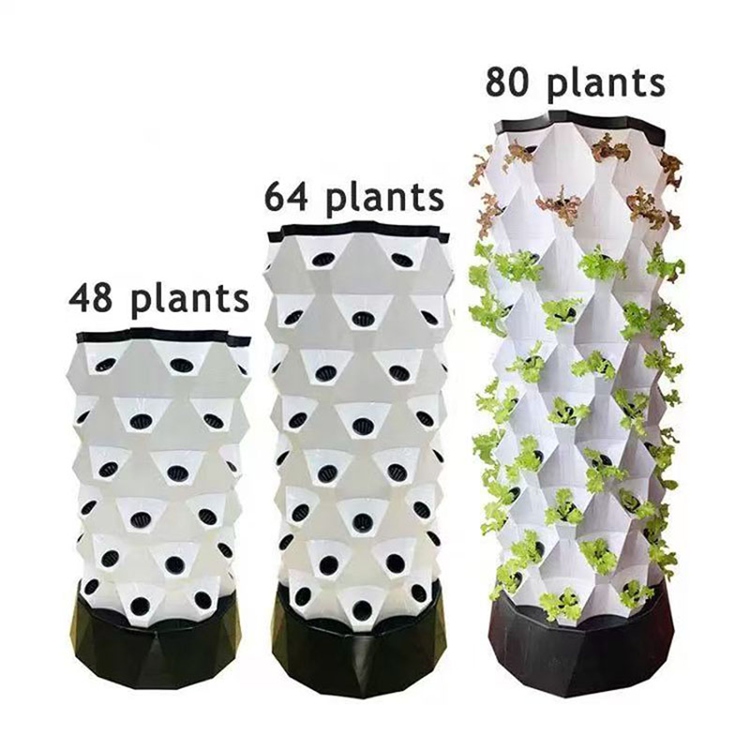
Vertical Garden Hydroponic Growing Systems
Vertical Garden Hydroponic Systems represent a revolutionary approach to agriculture, designed to maximize food production in minimal space. By combining the efficiency of hydroponi......
 Product description
Vertical Garden Hydroponic Systems represent a revolutionary approach to agriculture, designed to maximize food production in minimal space. By combining the efficiency of hydroponics—growing plants without soil using nutrient-rich water—with vertical stacking, these systems allow for incredibly high yields per square foot. They are a cornerstone of urban farming, enabling fresh produce to be grown on rooftops, balconies, indoors, and in greenhouses where horizontal space is limited.
The core principle behind these systems is the strategic arrangement of plants on multiple vertical levels. Instead of spreading out across a single plane, plants grow upwards on towers, walls, or stacked trays. This vertical arrangement exposes most plants to adequate light and allows for a highly efficient circulation of water and nutrients.
Common Types of Vertical Hydroponic Systems:
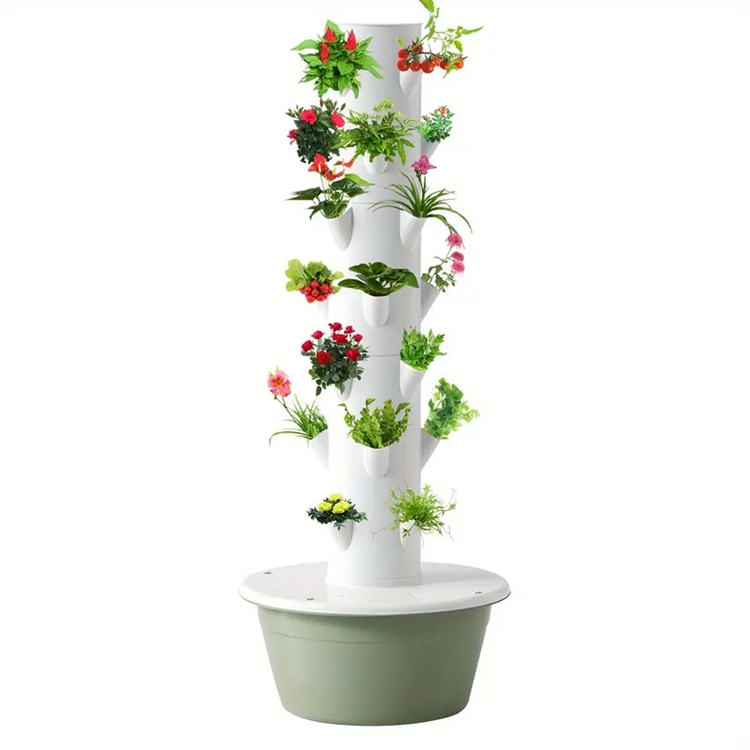
Tower Systems: These are among the most popular designs. They consist of a vertical column, often made from PVC pipe or a specialized fabric, with planting ports cut out along its sides. A nutrient solution is pumped to the top of the tower and then cascades down the inside, bathing the roots of each plant on its way down before collecting in a reservoir at the base to be recirculated. NFT (Nutrient Film Technique) can also be applied to vertical towers.
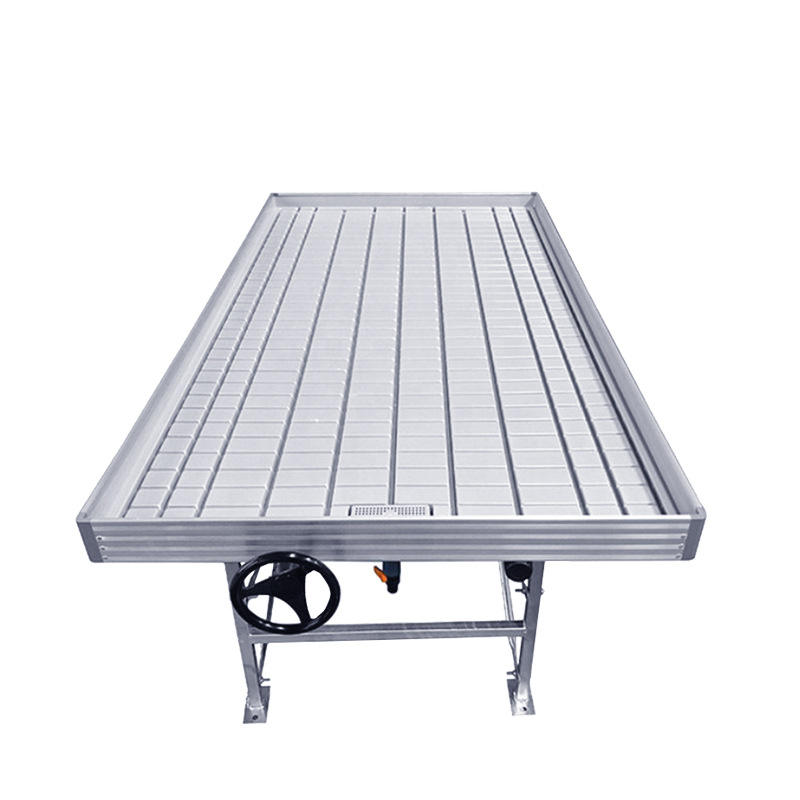
Stacked Tray or Shelf Systems: In this design, multiple hydroponic trays (like shallow NFT or DFT channels) are stacked on top of each other on a shelving unit. Each tier functions as its own independent or connected hydroponic system, with a shared reservoir and pump typically located at the bottom. This is an excellent method for indoor growing with LED grow lights on each shelf.
Wall-Mounted Systems: These systems are designed to function as living walls or green walls. They often use felt mats, flexible panels with pockets, or a series of small horizontal channels mounted on a vertical frame. A nutrient solution is dripped or misted at the top and trickles down through the growing medium or past the roots. These are highly valued for both their aesthetic and functional benefits.
Key Advantages:
Space Efficiency: This is the most significant benefit. These systems can increase growing area by multiples compared to traditional gardening, making them perfect for urban environments.
Higher Yields: By growing more plants in the same footprint, overall productivity and yield are dramatically increased.
Water Conservation: Like all recirculating hydroponic systems, vertical gardens use a fraction of the water required by soil-based gardening, often saving 90-90% more water.
Ergonomics and Accessibility: Plants are raised to a comfortable height, eliminating the need for bending or kneeling. This makes gardening accessible to more people.
Aesthetic Appeal: Vertical systems can transform blank walls and unused corners into vibrant, living spaces that improve air quality and well-being.
Important Considerations and Challenges:
Light Management: Ensuring all plants, especially those on lower levels or in the center of a tower, receive sufficient light is crucial. This often requires strategic placement outdoors or the use of supplemental indoor lighting.
Plant Selection: Not all plants are suited for vertical growth. These systems are ideal for leafy greens, herbs, strawberries, and smaller vegetables. Large, heavy fruiting plants or root vegetables are generally not suitable.
System Balance: The pump must be powerful enough to deliver water and nutrients to the very top of the system. A loss of power or a pump failure can threaten the entire garden much more quickly than in a single-level system.
Weight and Structure: A large, soil-less system can still become very heavy when saturated with water. The supporting structure must be robust and secure, especially for wall-mounted or freestanding designs.
In essence, Vertical Garden Hydroponic Systems are a powerful fusion of agricultural science and architectural design. They offer a practical, sustainable, and highly efficient solution for meeting the growing demand for fresh, local food in space-constrained communities around the world.
 2025-09-02
Cangzhou Guiyuanhe Hardware Manufacturing Co., Ltd
Copyright © 2025-2026 http://www.guiyuanhe.com. All Rights Reserved Cangzhou Guiyuanhe Hardware Manufacturing Co., Ltd