

- Site Navigation -
 Current location:
PRODUCTS DISCRIPT
PRODUCTS DISCRIPT
Plastic Anti-Insect Net
Plastic anti-insect net is a specialized protective material widely used in agriculture, horticulture, and even some household or industrial scenarios. It is primarily made from hig......
 Product description
Plastic anti-insect net is a specialized protective material widely used in agriculture, horticulture, and even some household or industrial scenarios. It is primarily made from high-quality plastic resins (such as polyethylene, polypropylene, etc.) through processes like extrusion, weaving, and stretching, resulting in a mesh-structured product.
Core Functions
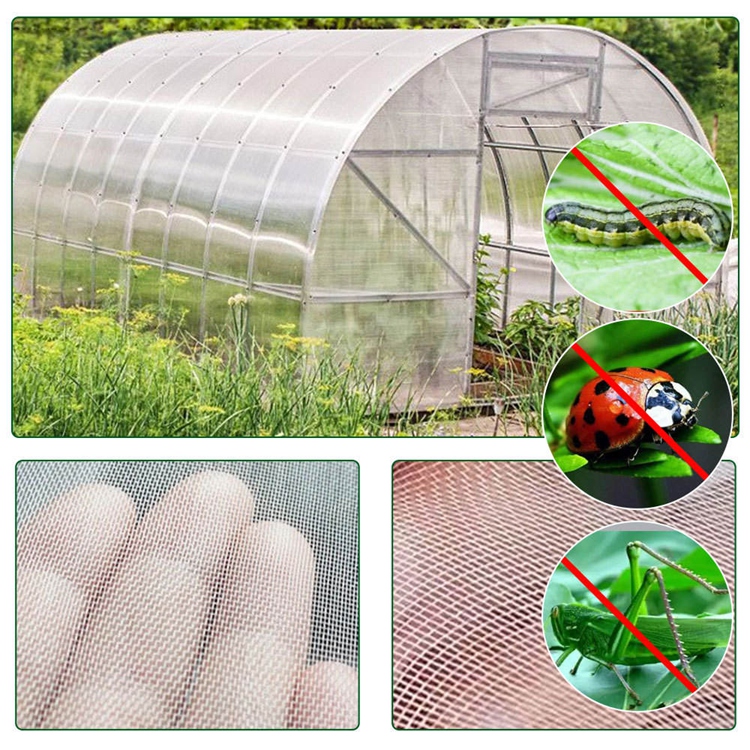
Insect Prevention: Its most fundamental role is to create a physical barrier. By selecting mesh sizes suitable for specific pests (e.g., fine meshes for aphids, whiteflies, and thrips; slightly larger meshes for butterflies, moths, and larger beetles), it effectively blocks the entry of harmful insects into the protected area. This reduces the damage caused by insects feeding on crops, laying eggs, or transmitting plant diseases, thereby minimizing the reliance on chemical pesticides.
Environmental Regulation: Beyond insect prevention, the net also helps regulate the microenvironment within the protected space. It can moderate the intensity of sunlight, preventing excessive UV radiation from scorching crop leaves while still ensuring sufficient light for photosynthesis. Additionally, it reduces wind speed near the crop surface, lowering water evaporation rates and helping to maintain a stable humidity level, which is beneficial for the growth of delicate seedlings or crops in arid regions.
Protective Shield: It serves as a shield against other external threats. For example, it can block large particles like dust and sand, preventing them from adhering to crop leaves and affecting respiration and light absorption. In some cases, it also deters birds or small mammals from pecking at fruits or damaging young shoots.
Key Characteristics
Durability: High-quality plastic anti-insect nets exhibit excellent resistance to aging, UV radiation, and corrosion. They can withstand long-term exposure to sunlight, rain, and changes in temperature without easily becoming brittle, breaking, or degrading, ensuring a service life of usually 3-5 years (or even longer under proper maintenance).
Lightweight and Flexible: Compared to metal or other rigid mesh materials, plastic nets are lightweight, making them easy to transport, install, and disassemble. They can be flexibly cut into different sizes and shapes to fit various protection structures, such as greenhouses, small seedbeds, or household window screens.
Good Air and Light Permeability: The mesh structure of the net ensures that air can circulate freely between the inside and outside of the protected area, preventing poor ventilation that could lead to high humidity, mold growth, or abnormal crop growth. Meanwhile, it allows natural light to pass through, meeting the light requirements of most plants.
Cost-Effective: Considering its long service life, low production cost, and the savings in pesticide expenses it brings, plastic anti-insect net is a cost-effective protective solution, especially suitable for large-scale agricultural applications.
Common Application Scenarios
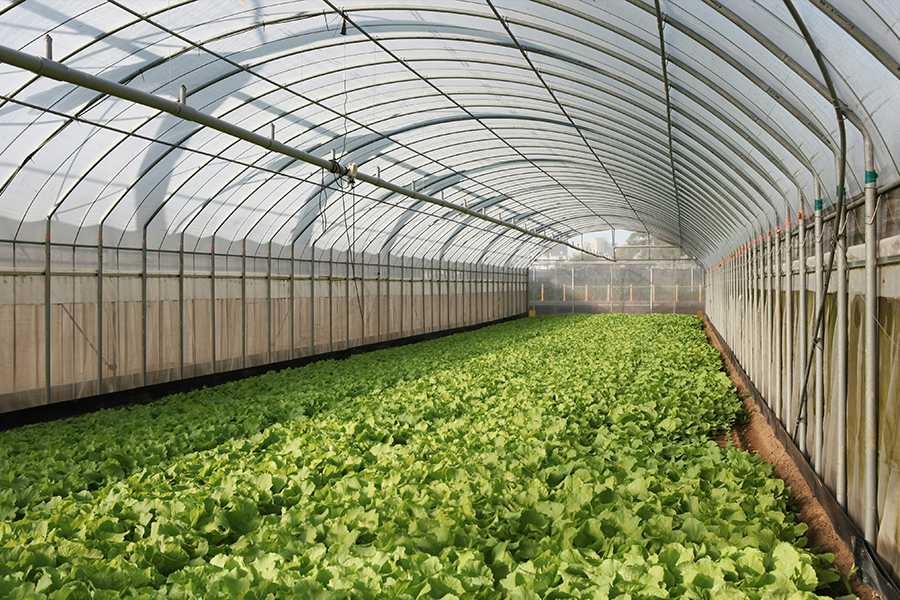
Agricultural Greenhouses and Sheds: It is widely installed on the vents, doors, and side walls of greenhouses and plastic sheds. This prevents external insects from entering while ensuring ventilation and light transmission, creating a pest-free growth environment for crops like vegetables, fruits, and flowers.
Open-Field Crop Protection: For open-field crops (such as cabbage, broccoli, tobacco, and cotton) that are highly susceptible to insect damage, plastic anti-insect nets can be used to build simple shelters or cover the crops directly. This provides targeted protection, reducing the loss caused by pests and reducing the frequency of pesticide spraying.
Household and Urban Gardening: In home gardens, balconies, or small urban farms, it can be used as a window screen replacement (to prevent mosquitoes, flies, and other insects from entering the room while allowing fresh air in) or to cover potted plants and small vegetable plots, protecting home-grown plants from insect infestations.
Special Industrial Uses: In some industrial settings, such as food processing plants, pharmaceutical workshops, or storage warehouses, it is used to cover vents, openings, or storage containers. This prevents insects, dust, or other impurities from contaminating products, ensuring compliance with hygiene and quality standards.
Usage and Maintenance Tips
Proper Mesh Selection: Choose the appropriate mesh size based on the target pests and the type of crops/plants. For small pests like aphids and thrips, a mesh size of 40-60 meshes is suitable; for larger pests like moths and beetles, a 20-30 mesh net can be used. Using a mesh that is too fine may block too much light and air, while a mesh that is too coarse will fail to prevent small pests.
Careful Installation: Ensure the net is installed tightly and without gaps. When covering greenhouses or sheds, seal the edges of the net with clips, ropes, or adhesive strips to prevent insects from sneaking in through gaps. Avoid pulling the net too hard during installation to prevent damage to the mesh structure.
Regular Cleaning: Periodically clean the surface of the net to remove dust, fallen leaves, crop residues, or insect carcasses. Accumulated debris can block the mesh, affecting air circulation and light transmission. Cleaning can be done with a soft brush, a spray of water, or a mild detergent (avoid using corrosive cleaning agents that may damage the plastic).
Proper Storage: When the net is not in use (e.g., during the off-season of crop growth), disassemble it, clean it thoroughly, and dry it completely. Then, fold it neatly and store it in a cool, dry, and well-ventilated place, away from direct sunlight and high temperatures. This prevents the net from aging or degrading prematurely and extends its service life.
Timely Repair: Check the net regularly for damage such as holes, tears, or loose edges. Small holes can be repaired with special plastic mesh tape or by sewing with the same type of plastic thread; for larger damages, replace the damaged section or the entire net if necessary to ensure its protective effect.
 2025-09-02
Cangzhou Guiyuanhe Hardware Manufacturing Co., Ltd
Copyright © 2025-2026 http://www.guiyuanhe.com. All Rights Reserved Cangzhou Guiyuanhe Hardware Manufacturing Co., Ltd