

- Site Navigation -
 Current location:
PRODUCTS DISCRIPT
PRODUCTS DISCRIPT
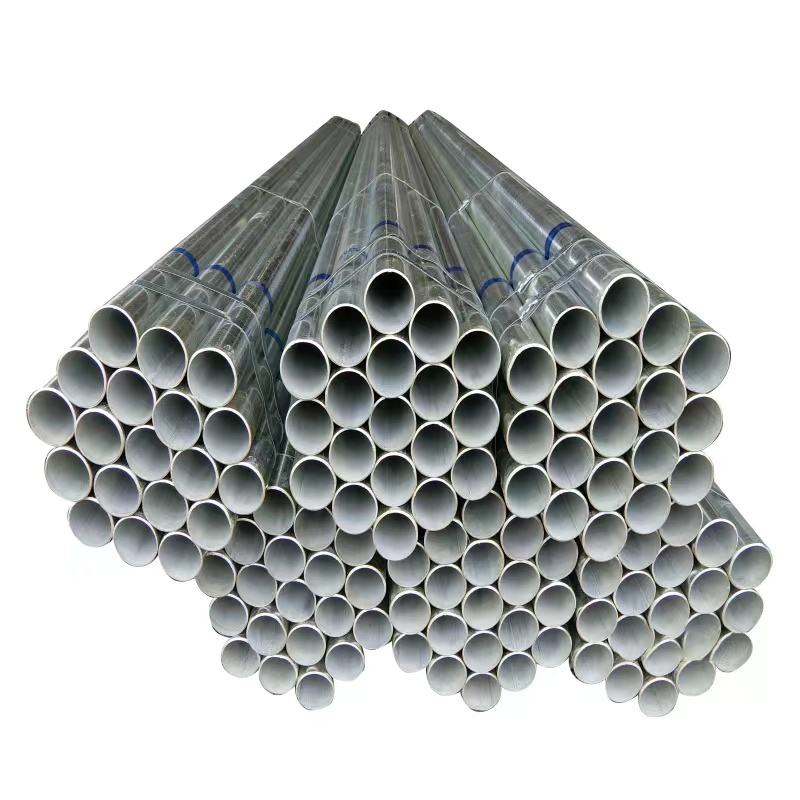
Greenhouse pipe
Greenhouse Pipe:A Comprehensive Guide Introduction Greenhouse pipes are fundamental components in the construction and functioning of greenhouses.They serve as the structural framew......
 Product description
Greenhouse Pipe:A Comprehensive Guide
Introduction
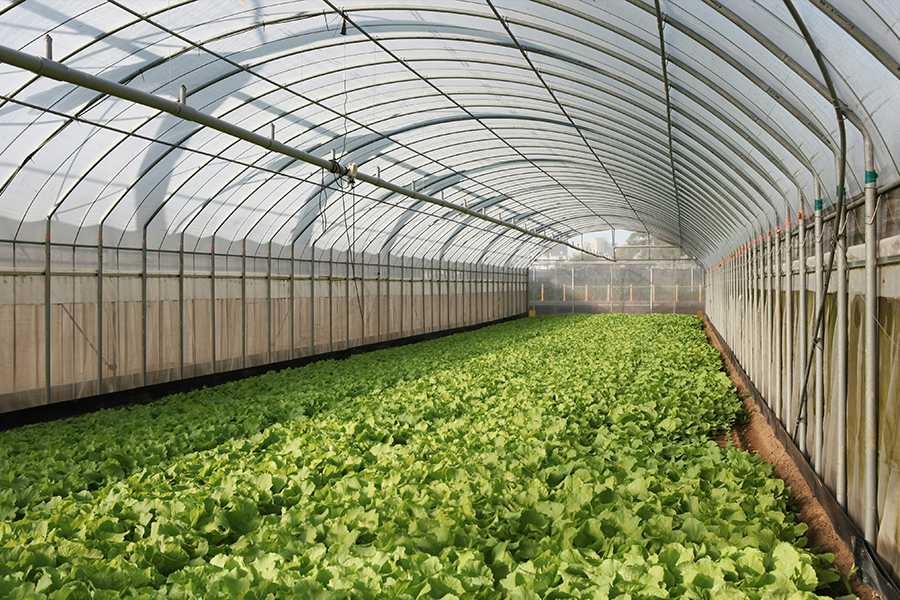
Greenhouse pipes are fundamental components in the construction and functioning of greenhouses.They serve as the structural framework that supports the greenhouse covering,such as glass,polycarbonate sheets,or plastic films,and provide stability and shape to the entire structure.These pipes come in various materials,sizes,and shapes,each tailored to specific greenhouse designs and environmental conditions.
Types of Greenhouse Pipes
1.Galvanized Steel Pipes
Material Composition:Galvanized steel pipes are made of carbon steel that has been coated with a layer of zinc through a galvanization process.This zinc coating protects the underlying steel from corrosion and rust,making the pipes highly durable and long-lasting.
Advantages:
High Strength:They can withstand significant loads and stresses,making them suitable for large-scale greenhouses and areas with strong winds or heavy snowfall.
Corrosion Resistance:The zinc layer acts as a barrier,preventing moisture and chemicals from reaching the steel,thus extending the lifespan of the pipes.
Cost-Effective:Compared to some other materials,galvanized steel pipes offer a good balance between cost and performance.
Applications:Widely used in commercial greenhouses,multi-span greenhouses,and greenhouses in areas with harsh weather conditions.
2.Aluminum Pipes
Material Composition:Aluminum is a lightweight yet strong metal.Aluminum pipes are typically made from extruded aluminum profiles,which are formed by heating aluminum billets and forcing them through a die to create the desired shape.
Advantages:
Lightweight:This makes them easy to handle and install,reducing labor costs and construction time.
Corrosion Resistance:Aluminum naturally forms a thin oxide layer on its surface when exposed to air,which protects it from corrosion.This makes it ideal for greenhouses in humid or coastal areas.
Aesthetic Appeal:Aluminum pipes have a sleek and modern appearance,enhancing the overall look of the greenhouse.
Applications:Commonly used in small to medium-sized greenhouses,hobby greenhouses,and greenhouses where aesthetics are important.
3.PVC(Polyvinyl Chloride)Pipes
Material Composition:PVC is a synthetic plastic polymer.PVC pipes are made by extruding molten PVC through a die to form the desired pipe shape.
Advantages:
Low Cost:PVC pipes are relatively inexpensive compared to metal pipes,making them a budget-friendly option for greenhouse construction.
Chemical Resistance:They are resistant to many chemicals,which can be beneficial in greenhouses where fertilizers or pesticides are used.
Easy to Cut and Join:PVC pipes can be easily cut to length using simple tools and joined together using solvents or connectors,making installation straightforward.
Applications:Often used in small-scale greenhouses,temporary greenhouses,or as support structures for shade cloth or netting within larger greenhouses.
4.Composite Pipes
Material Composition:Composite pipes are made by combining different materials,such as fiberglass and resin,to create a pipe with enhanced properties.
Advantages:
High Strength-to-Weight Ratio:They offer the strength of metal pipes with the lightweight properties of plastics,making them easy to handle while still being able to support significant loads.
Corrosion Resistance:The composite material is highly resistant to corrosion,even in harsh chemical environments.
Thermal Insulation:Some composite pipes have good thermal insulation properties,which can help regulate the temperature inside the greenhouse.
Applications:Used in specialized greenhouses where specific performance requirements,such as high strength,corrosion resistance,or thermal insulation,are needed.
Pipe Shapes and Sizes
Shapes
Round Pipes:These are the most common shape for greenhouse pipes.They provide uniform strength in all directions and are easy to handle and install.Round pipes are often used for the main structural supports of the greenhouse,such as the arches or columns.
Square or Rectangular Pipes:These pipes offer a larger surface area for attaching other components,such as clamps or brackets.They are commonly used for the frame of the greenhouse,especially in areas where a more rigid structure is required.
Oval Pipes:Oval pipes combine some of the advantages of round and square pipes.They have a more aerodynamic shape than square pipes,which can reduce wind resistance,while still providing a relatively large surface area for attachments.
Sizes
The size of greenhouse pipes is typically determined by their outer diameter(OD)and wall thickness.Common outer diameters range from 16 mm to 110 mm or more,depending on the application.The wall thickness can vary from a few millimeters to several centimeters,with thicker walls providing greater strength and durability.
Installation and Maintenance
Installation
Foundation Preparation:Before installing the greenhouse pipes,a solid foundation is required.This can be a concrete slab,a series of concrete footings,or ground anchors depending on the size and type of greenhouse.
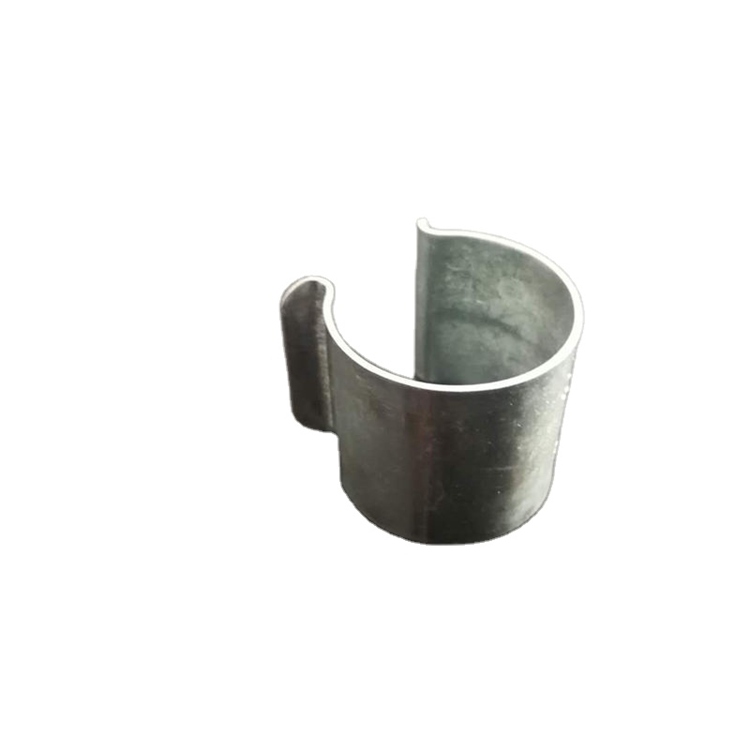
Pipe Assembly:The pipes are assembled according to the greenhouse design,using connectors,clamps,or welding(for metal pipes).It is important to ensure that the pipes are properly aligned and secured to create a stable structure.
Covering Attachment:Once the pipe framework is in place,the greenhouse covering is attached to the pipes using appropriate fasteners,such as clips,screws,or adhesive tapes.
Maintenance
Regular Inspection:Periodically inspect the pipes for signs of damage,such as cracks,corrosion,or bending.Early detection of problems can prevent further damage and ensure the safety of the greenhouse.
Cleaning:Clean the pipes regularly to remove dirt,debris,and any chemical residues that may accumulate over time.This helps maintain the appearance of the greenhouse and prevents potential corrosion.
Corrosion Protection(for Metal Pipes):For galvanized steel pipes,check the zinc coating regularly and touch up any areas where the coating has been damaged.For aluminum pipes,ensure that the oxide layer is intact and remove any scratches or abrasions that may expose the underlying metal.
Conclusion
Greenhouse pipes are essential elements in greenhouse construction,providing the structural integrity and support needed for the greenhouse covering.By understanding the different types of pipes,their shapes,sizes,and installation and maintenance requirements,greenhouse growers can select the most suitable pipes for their specific needs and ensure the long-term performance and durability of their greenhouses.
 2025-09-02
Cangzhou Guiyuanhe Hardware Manufacturing Co., Ltd
Copyright © 2025-2026 http://www.guiyuanhe.com. All Rights Reserved Cangzhou Guiyuanhe Hardware Manufacturing Co., Ltd