


- Site Navigation -
 Current location:
PRODUCTS DISCRIPT
PRODUCTS DISCRIPT
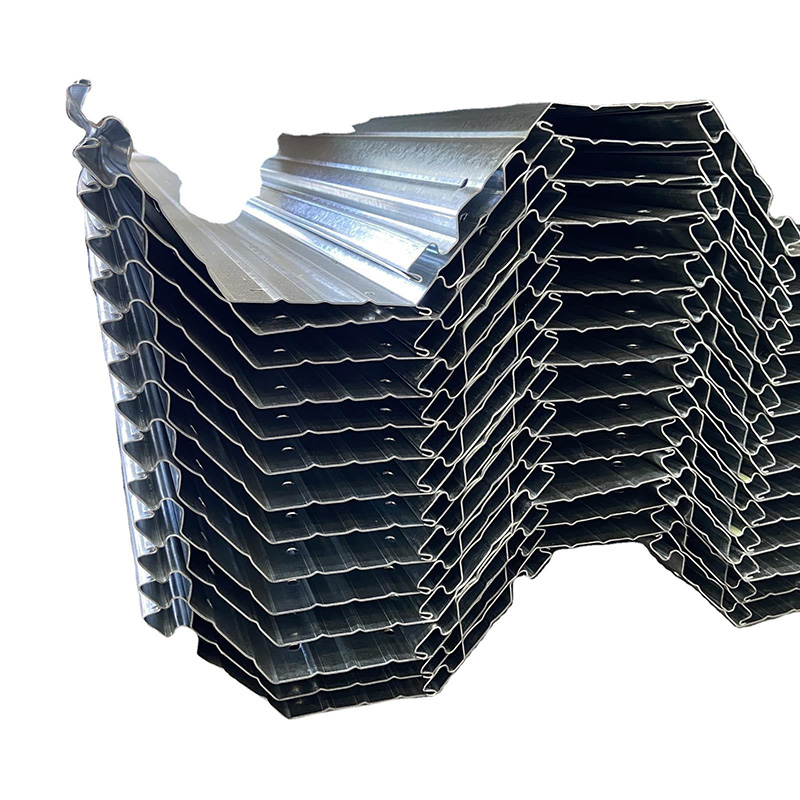
galvanized gutter
Galvanized gutters are an important part of building drainage systems, especially for greenhouses and other structures. They are designed to efficiently collect and channel rainwate......
 Product description
Galvanized gutters are an important part of building drainage systems, especially for greenhouses and other structures. They are designed to efficiently collect and channel rainwater away from the building's foundation, protecting it from water damage, erosion, and potential structural issues. The galvanization process gives these gutters excellent corrosion resistance, making them a long - lasting and cost - effective choice.
Material and Galvanization Process
Material
Galvanized gutters are primarily made of steel. Steel is chosen for its strength and durability, which allows the gutters to withstand the weight of water, snow, and debris without sagging or breaking. However, steel is susceptible to corrosion when exposed to moisture and oxygen over time.
Galvanization Process
To protect the steel from corrosion, a layer of zinc is applied through a process called galvanization. There are two main methods of galvanization:
Hot - Dip Galvanization: In this process, the steel gutter components are cleaned thoroughly to remove any dirt, oil, or rust. Then, they are dipped into a bath of molten zinc at a temperature of around 450 - 460°C (842 - 860°F). The zinc reacts with the steel surface, forming a series of zinc - iron alloy layers on the outside and a pure zinc layer on top. This creates a strong, adherent coating that provides excellent protection against corrosion.
Electro - Galvanization: Here, an electric current is used to deposit zinc onto the steel surface. The steel gutter is immersed in an electrolyte solution containing zinc ions. When an electric current is passed through the solution, zinc ions are attracted to the steel surface and are deposited as a thin, uniform layer. Electro - galvanized gutters have a smoother finish compared to hot - dip galvanized ones but may offer slightly less corrosion resistance in some harsh environments.
Types of Galvanized Gutters
1. K - Style Gutters
Shape: K - style gutters have a flat back and a decorative front that resembles the letter "K". This shape gives them a more modern and aesthetically pleasing appearance compared to traditional gutters.
Advantages:
High Water Capacity: The deep, wide profile of K - style gutters allows them to hold a large volume of water, making them suitable for areas with heavy rainfall.
Easy Installation: They are relatively easy to install, as they can be attached directly to the fascia board of the building using hangers.
Versatility: K - style gutters are available in a variety of sizes and colors, allowing them to match different building styles and exterior designs.
Applications: Widely used in residential homes, commercial buildings, and greenhouses where a combination of functionality and aesthetics is desired.
2. Half - Round Gutters
Shape: As the name suggests, half - round gutters have a semi - circular cross - section. They have a classic, traditional look that can add a touch of elegance to a building.
Advantages:
Smooth Water Flow: The curved shape of half - round gutters promotes a smooth flow of water, reducing the likelihood of clogs caused by debris such as leaves and twigs.
Easy to Clean: The open, rounded design makes it easier to access and clean the gutters compared to some other styles.
Durability: The galvanized steel construction provides excellent strength and corrosion resistance, ensuring a long service life.
Applications: Often used in historical buildings, cottages, and greenhouses where a traditional aesthetic is preferred.
3. Box Gutters
Shape: Box gutters are rectangular in shape and are typically installed flush with the roofline. They are often hidden from view, giving the building a clean, streamlined appearance.
Advantages:
Large Capacity: Box gutters can be designed with a large cross - sectional area, allowing them to handle significant amounts of water runoff.
Customizable: They can be customized to fit the specific dimensions and requirements of the building, making them suitable for complex roof designs.
Aesthetic Appeal: Since they are concealed, box gutters do not detract from the overall appearance of the building.
Applications: Commonly used in commercial and industrial buildings, as well as large - scale greenhouses where a high - capacity, unobtrusive drainage system is needed.
Installation of Galvanized Gutters
1. Planning and Measurement
Measure the length of the roof edges where the gutters will be installed. Take into account any corners, valleys, or changes in the roof slope.
Determine the appropriate size of the gutters based on the expected rainfall in the area and the roof area. Larger roofs or areas with heavy rainfall will require larger - capacity gutters.
Plan the location of downspouts to ensure efficient water drainage. Downspouts should be placed at regular intervals along the gutter system, typically every 20 - 30 feet (6 - 9 meters), depending on the gutter size and roof slope.
2. Mounting the Gutters
Install gutter hangers along the fascia board at the recommended spacing (usually every 16 - 24 inches or 40 - 60 cm). The hangers will support the weight of the gutters and keep them level.
Place the galvanized gutters onto the hangers and secure them in place using screws or rivets. Make sure the gutters are properly aligned and sloped towards the downspouts to ensure proper water flow.
Connect the gutter sections at the corners using corner pieces or miters. Seal the joints with a high - quality gutter sealant to prevent leaks.
3. Installing Downspouts
Cut the downspout pipes to the required length using a hacksaw or a pipe cutter.
Attach the downspout elbows at the top and bottom of the downspout pipes to direct the water away from the building's foundation.
Secure the downspouts to the wall of the building using downspout brackets at regular intervals.
Maintenance of Galvanized Gutters
Regular Cleaning
Remove leaves, twigs, and other debris from the gutters at least twice a year, or more frequently if the building is surrounded by trees. Clogged gutters can cause water to overflow, leading to water damage to the roof, walls, and foundation.
Use a gutter scoop or a garden trowel to remove the debris, and then flush the gutters with a garden hose to ensure that water can flow freely through the system.
Inspection for Damage
Periodically inspect the galvanized gutters for signs of damage, such as cracks, holes, or rust spots. Even though galvanized gutters are corrosion - resistant, they can still be damaged by extreme weather conditions, falling debris, or improper installation.
If any damage is found, repair it immediately. Small cracks or holes can be patched using a gutter repair kit or a piece of galvanized steel patch and sealant. For more extensive damage, it may be necessary to replace the affected gutter section.
Checking the Slope and Alignment
Ensure that the gutters are properly sloped towards the downspouts. A slope of at least 1/4 inch per 10 feet (6 mm per 3 meters) is recommended to ensure proper water drainage.
Check the alignment of the gutters to make sure they are level and not sagging. Adjust the gutter hangers if necessary to maintain the proper slope and alignment.
In conclusion, galvanized gutters are a reliable and durable solution for managing rainwater runoff from greenhouses and other buildings. By understanding the different types, installation procedures, and maintenance requirements, building owners can ensure that their gutter systems function effectively for many years to come.
 2025-09-02

Cangzhou Guiyuanhe Hardware Manufacturing Co., Ltd
Copyright © 2025-2026 http://www.guiyuanhe.com. All Rights Reserved Cangzhou Guiyuanhe Hardware Manufacturing Co., Ltd