

- Site Navigation -
 Current location:
PRODUCTS DISCRIPT
PRODUCTS DISCRIPT
Greenhouse accessories
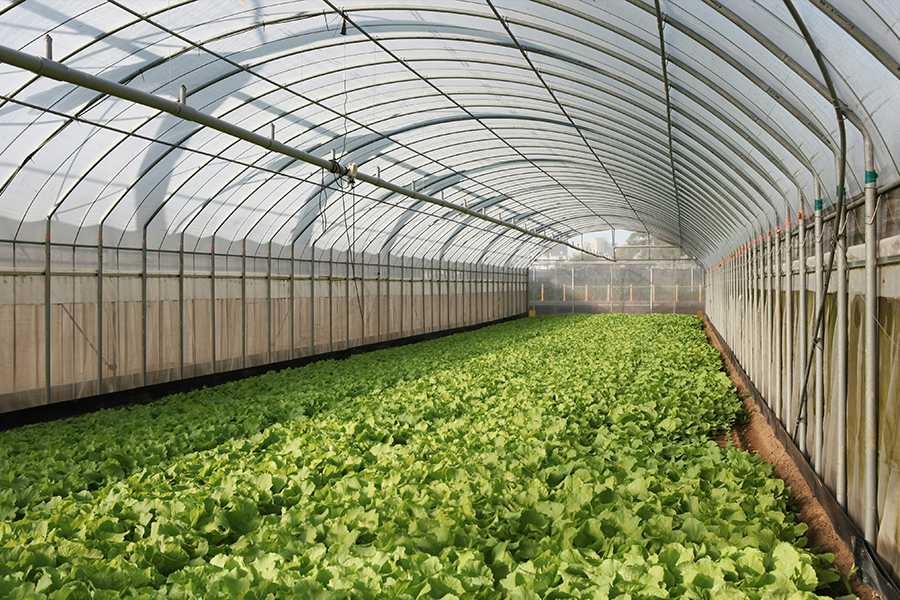
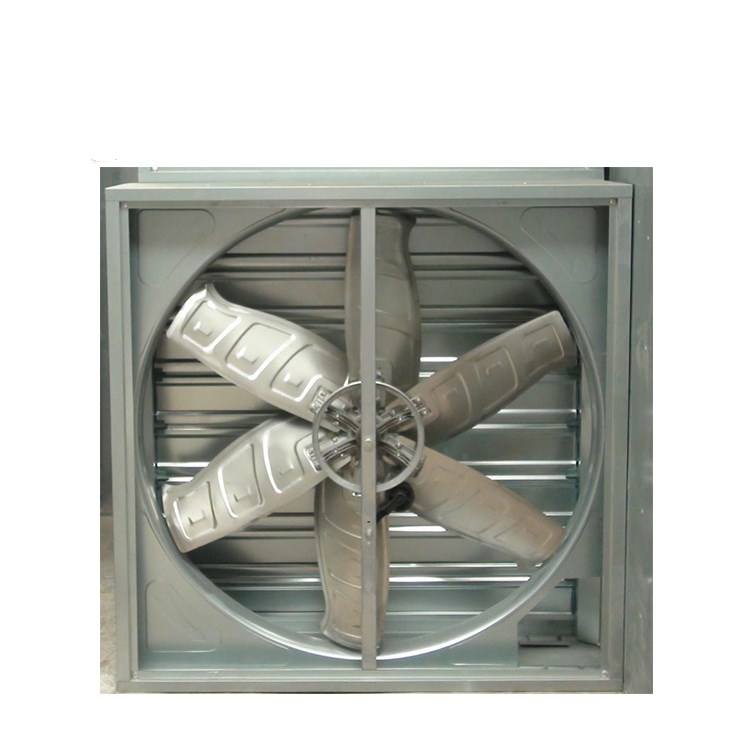
Greenhouse accessories are essential components that can significantly improve the performance,convenience,and productivity of a greenhouse.They range from environmental control dev......
 Product description
Greenhouse accessories are essential components that can significantly improve the performance,convenience,and productivity of a greenhouse.They range from environmental control devices to storage and handling equipment,all designed to create an optimal growing environment for plants.Whether you're a commercial grower or a hobbyist,investing in the right greenhouse accessories can make a big difference in the success of your gardening endeavors.
Environmental Control Accessories
1.Thermostats and Temperature Sensors
Function:These devices are crucial for maintaining the ideal temperature inside the greenhouse.Thermostats can be set to a specific temperature range,and when the temperature deviates from this range,they trigger heating or cooling systems to restore the desired conditions.Temperature sensors,on the other hand,continuously monitor the temperature and provide real-time data,allowing growers to make informed decisions about adjusting the environment.
Types:There are mechanical thermostats,which are simple and cost-effective,and electronic thermostats with more advanced features such as programmable settings and remote monitoring capabilities.Some temperature sensors are wireless,making them easy to install and move around the greenhouse.
Benefits:By accurately controlling the temperature,these accessories ensure that plants are not exposed to extreme heat or cold,which can stress or damage them.This leads to healthier plants,improved growth rates,and higher yields.
2.Hygrometers and Humidity Controllers
Function:Hygrometers measure the relative humidity levels inside the greenhouse.High or low humidity can have a significant impact on plant health,affecting processes such as transpiration and nutrient uptake.Humidity controllers work in conjunction with humidifiers or dehumidifiers to maintain the optimal humidity range for the plants being grown.
Types:Analog hygrometers are simple and affordable,while digital hygrometers offer more precise readings and may include additional features like data logging.Humidity controllers can be standalone units or integrated into a larger environmental control system.
Benefits:Proper humidity control helps prevent issues such as fungal diseases(which thrive in high-humidity environments)and plant dehydration(which can occur in low-humidity conditions).This creates a more stable and healthy growing environment for the plants.
3.Light Meters and Light Timers
Function:Light meters measure the intensity of light inside the greenhouse,which is crucial for photosynthesis.Different plants have different light requirements,and a light meter can help growers ensure that their plants are receiving the right amount of light.Light timers are used to control the duration of artificial lighting,simulating natural day-night cycles.
Types:Light meters can be handheld or mounted in a fixed position.They may measure light in different units,such as lux or foot-candles.Light timers can be mechanical or electronic,with electronic timers offering more precise timing and programming options.
Benefits:By optimizing light levels and duration,these accessories promote healthy plant growth and development.They can also help save energy by ensuring that artificial lights are only on when needed.
4.CO2 Generators and Monitors
Function:Carbon dioxide(CO2)is an essential component of photosynthesis.CO2 generators increase the CO2 levels inside the greenhouse,which can enhance plant growth and yield,especially in enclosed environments where natural CO2 levels may be limited.CO2 monitors measure the concentration of CO2 in the air,allowing growers to adjust the output of the CO2 generator as needed.
Types:CO2 generators can be fueled by natural gas,propane,or other sources.CO2 monitors can be portable or fixed-mounted,and they may have features such as alarms to alert growers when CO2 levels are outside the desired range.
Benefits:Increasing CO2 levels can significantly improve plant productivity,especially for high-value crops.However,it's important to monitor CO2 levels carefully to avoid over-saturation,which can be harmful to plants and humans.
Plant Support and Handling Accessories
1.Trellising Systems
Function:Trellising systems provide support for climbing plants such as tomatoes,cucumbers,and beans.They help keep the plants upright,improve air circulation around the foliage,and make it easier to harvest the fruits.
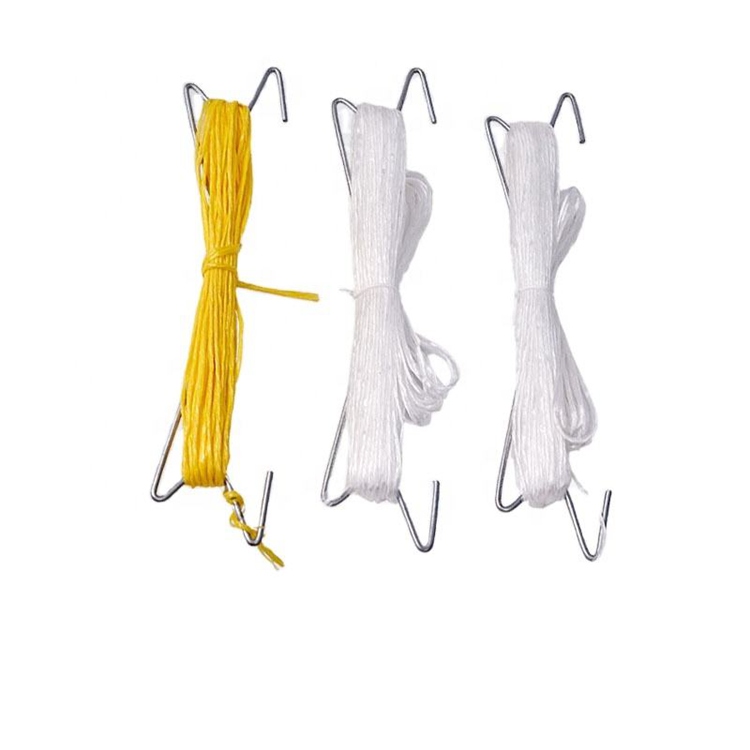
Types:There are various types of trellising systems,including string trellises,wire mesh trellises,and A-frame trellises.String trellises are simple and cost-effective,while wire mesh trellises offer more stability and support for heavier plants.A-frame trellises are ideal for small-scale greenhouses and can be easily moved around.
Benefits:Trellising plants can increase yields by allowing more sunlight to reach the leaves and fruits.It also reduces the risk of plant diseases by improving air circulation and preventing the fruits from touching the ground.
2.Plant Stakes and Cages
Function:Plant stakes and cages are used to support individual plants or small groups of plants.They help prevent the plants from bending or breaking under the weight of their fruits or flowers.
Types:Plant stakes can be made of wood,bamboo,or metal.They come in different lengths and diameters to suit different plant sizes.Plant cages are usually made of wire mesh and are available in various shapes and sizes,such as circular or square.
Benefits:Using plant stakes and cages can improve the appearance of the plants and make them easier to manage.They also help protect the plants from damage caused by wind,rain,or pests.
3.Plant Trays and Pots
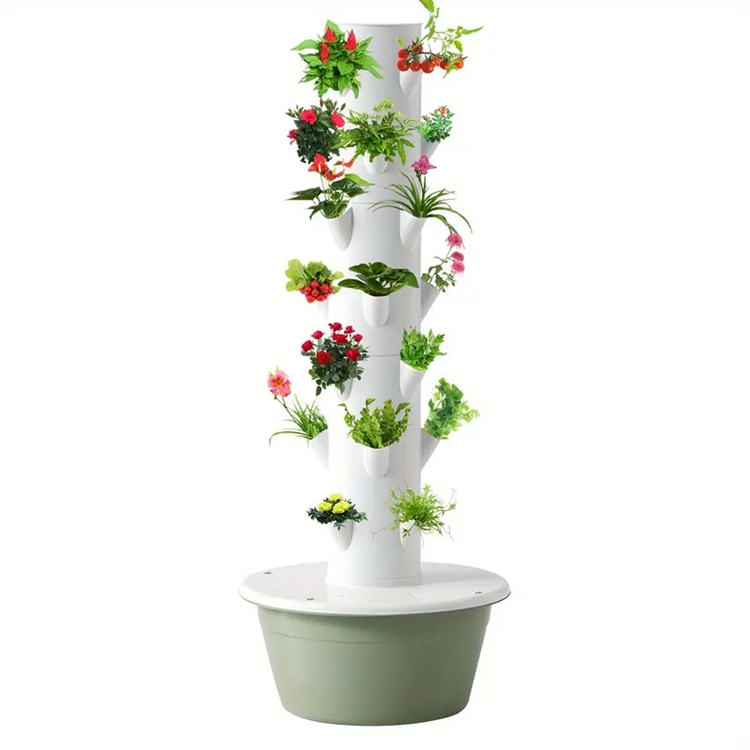
Function:Plant trays and pots are used for starting seeds,propagating cuttings,and growing plants.They provide a contained environment for the plants,allowing growers to control the soil moisture,nutrient levels,and root growth.
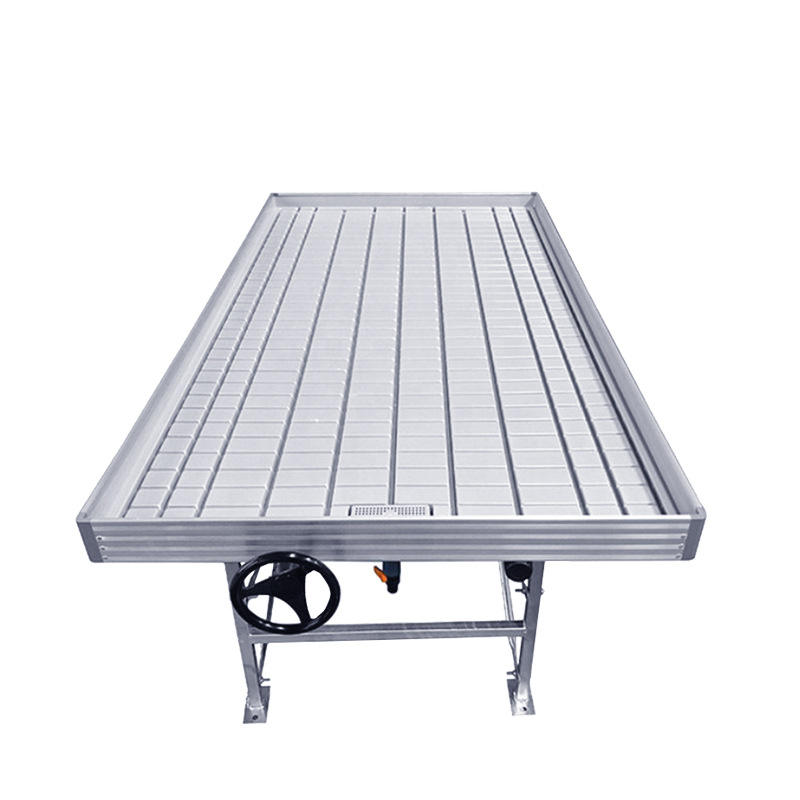
Types:Plant trays can be flat or have individual cells for starting multiple seeds or cuttings.Pots come in a variety of materials,including plastic,ceramic,and fabric.Plastic pots are lightweight and affordable,while ceramic pots are more durable and aesthetically pleasing.Fabric pots offer good aeration and drainage for the roots.
Benefits:Using the right plant trays and pots can improve seed germination rates and plant growth.They also make it easier to transplant the plants into larger containers or into the ground.
Storage and Organization Accessories
1.Shelving Units
Function:Shelving units provide additional storage space inside the greenhouse for pots,trays,tools,and other supplies.They help keep the greenhouse organized and make it easier to access the items you need.
Types:Shelving units can be made of metal,wood,or plastic.They can be freestanding or wall-mounted,depending on the available space and the grower's needs.Some shelving units are adjustable,allowing you to customize the height of the shelves to accommodate different items.
Benefits:Having a well-organized greenhouse can save time and effort when it comes to caring for the plants.It also helps prevent damage to the plants and supplies by keeping them off the ground and away from moisture and pests.
2.Tool Racks and Holders
Function:Tool racks and holders are used to store and organize gardening tools such as pruners,trowels,and watering cans.They help keep the tools within easy reach and prevent them from getting lost or damaged.
Types:Tool racks can be wall-mounted or freestanding.They may have hooks,slots,or compartments for different types of tools.Some tool holders are designed to hold specific tools,such as pruner holders or watering can holders.
Benefits:Keeping your gardening tools organized can improve efficiency and make your gardening tasks more enjoyable.It also helps extend the life of the tools by protecting them from rust and damage.
3.Seed Storage Containers
Function:Seed storage containers are used to keep seeds fresh and protected from moisture,heat,and pests.Proper seed storage is essential for maintaining seed viability and ensuring successful germination.
Types:Seed storage containers can be made of plastic,glass,or metal.They may have airtight seals to prevent moisture from entering and may be labeled with the seed type and date of storage.Some seed storage containers are designed to be stackable,saving space in the greenhouse.
Benefits:By storing seeds properly,you can extend their shelf life and ensure that you have a reliable supply of seeds for future planting.This can save you money and time in the long run.
In conclusion,greenhouse accessories play a vital role in creating an optimal growing environment and improving the overall efficiency of greenhouse operations.By carefully selecting and using the right accessories,growers can achieve healthier plants,higher yields,and a more enjoyable gardening experience.
 2025-09-02
Cangzhou Guiyuanhe Hardware Manufacturing Co., Ltd
Copyright © 2025-2026 http://www.guiyuanhe.com. All Rights Reserved Cangzhou Guiyuanhe Hardware Manufacturing Co., Ltd