

- Site Navigation -
 Current location:
PRODUCTS DISCRIPT
PRODUCTS DISCRIPT
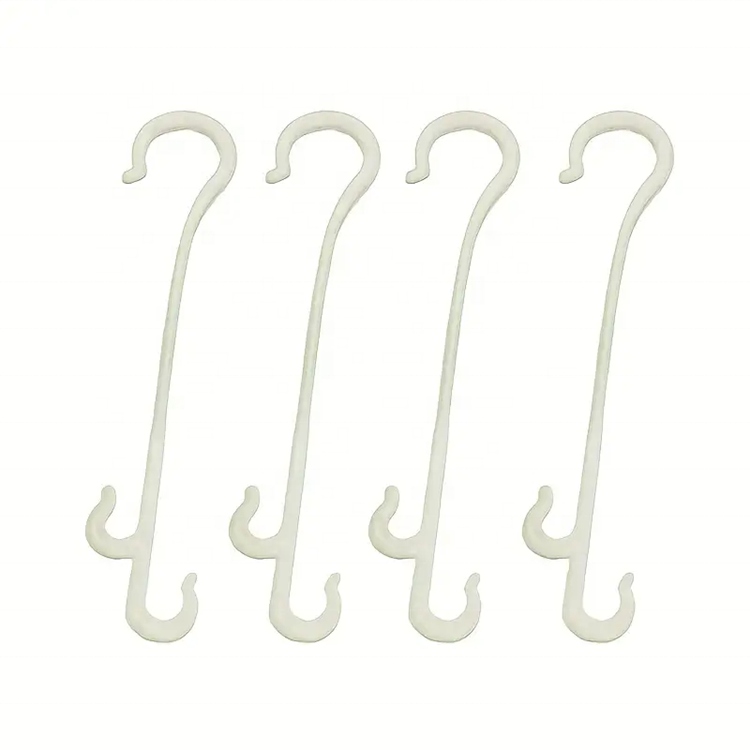
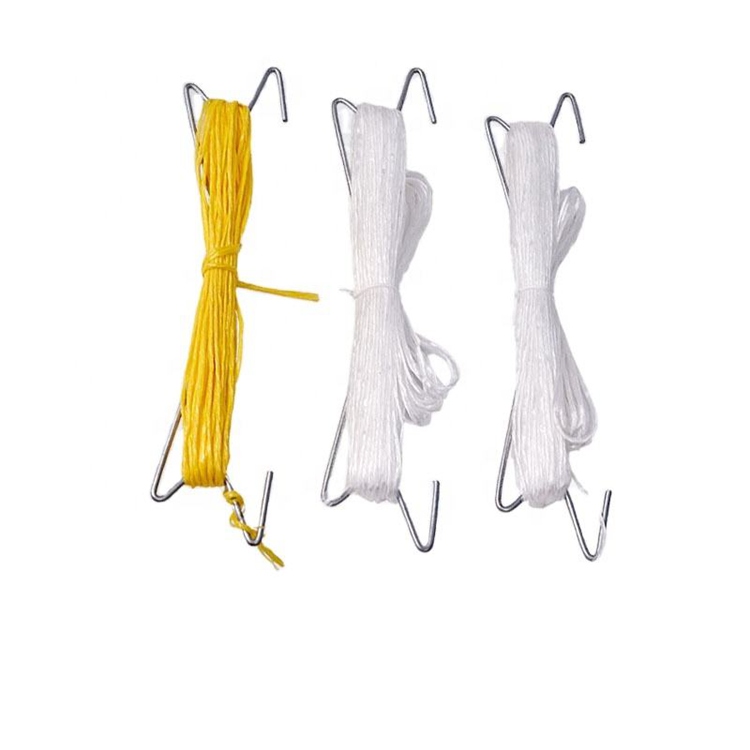
Vegetable Hanging J - Hooks
Vegetable hanging J-hooks are compact, J-shaped hardware designed to suspend lightweight vegetable-related items—such as potted herbs, small planters, harvest baskets, or even lig......
 Product description
Vegetable hanging J-hooks are compact, J-shaped hardware designed to suspend lightweight vegetable-related items—such as potted herbs, small planters, harvest baskets, or even lightweight trellis netting—in greenhouses, indoor gardens, or outdoor growing spaces. Their simple yet functional “J” design features a curved hook for hanging and a flat or threaded base for secure mounting (to beams, rafters, shelves, or wall brackets). Unlike bulky hanging systems, J-hooks are space-efficient, easy to install, and versatile, making them ideal for maximizing vertical growing space, organizing harvests, or keeping delicate veggies (like herbs or baby greens) off the ground and away from pests.
Core Functions for Vegetable Growing & Storage
Vertical Space Maximization: In small greenhouses or urban gardens, floor space is limited—J-hooks turn unused overhead or wall space into growing areas. They can suspend potted herbs (e.g., basil, parsley), trailing veggies (e.g., string beans, small cherry tomato plants in hanging pots), or even lightweight hydroponic containers. This frees up floor space for larger plants (e.g., tomatoes, cucumbers) while adding extra growing capacity.
Harvest & Tool Organization: After picking, J-hooks provide a convenient spot to hang harvest baskets (for delicate veggies like lettuce, radishes, or strawberries) to keep them fresh and avoid bruising from being piled on tables. They also work for hanging small gardening tools (e.g., pruning shears, twine spools) near growing areas, keeping essentials within easy reach for maintenance.
Pest & Damage Prevention: Hanging potted veggies or harvests from J-hooks keeps them elevated above the ground, reducing the risk of damage from soil-borne pests (e.g., slugs, snails) or rot caused by contact with damp soil. For example, hanging a pot of baby spinach from a J-hook in a greenhouse prevents slugs from feeding on leaves and keeps the soil surface drier.
Trellis & Support Auxiliary: For lightweight vining veggies (e.g., pea shoots, small cucumber varieties), J-hooks can anchor the top ends of trellis netting or twine. By mounting J-hooks on greenhouse rafters and attaching netting to their curves, growers create a vertical support structure that guides vines upward without needing heavy frames.
Common Types and Design Features
Vegetable hanging J-hooks vary in material, size, and mounting style to suit different uses and environments:
Metal J-Hooks: The most durable option, typically made from galvanized steel, stainless steel, or powder-coated steel. Galvanized and stainless steel varieties resist rust and corrosion—critical for humid greenhouses or outdoor use where moisture is common. They are strong enough to hold heavier items (e.g., large harvest baskets, 5-liter potted herbs) and often have a threaded base for secure mounting into wood or metal beams.
Plastic J-Hooks: Lightweight, affordable, and ideal for indoor gardens or sheltered greenhouses. Made from UV-resistant plastic (e.g., polypropylene), they won’t fade or become brittle under sunlight. Plastic J-hooks are best for lightweight loads (e.g., small herb pots, thin trellis netting) and usually have a snap-on or adhesive base for easy installation on smooth surfaces (e.g., plastic greenhouse shelves, wall panels).
Adjustable/Extendable J-Hooks: Some models feature a telescoping or sliding design that lets growers adjust the hook’s length or angle. For example, an extendable J-hook can be lengthened to hang a planter lower for better light access or shortened to tuck it close to a rafter. This versatility is useful for adapting to different plant heights or storage needs.
Multi-Hook J-Hooks: These have two or more J-shaped curves on a single base, allowing users to hang multiple items (e.g., three small herb pots, a basket plus a tool) from one mount. They save space and reduce the need for installing multiple individual hooks—great for compact greenhouses.
Key Considerations for Selection and Use
Weight Capacity: Check the hook’s maximum weight rating before use. Metal J-hooks typically hold 2–10 kg (ideal for heavy pots or baskets), while plastic ones usually support 0.5–2 kg (best for light items). Overloading can cause the hook to bend, break, or pull out of its mount, risking damage to veggies or planters.
Material & Environment: Choose metal hooks for outdoor or high-humidity greenhouses (to resist rust). For indoor gardens or dry greenhouses, plastic hooks are sufficient and more budget-friendly. Ensure metal hooks are labeled “galvanized” or “stainless steel” and plastic hooks are “UV-resistant” to avoid premature wear.
Mounting Surface: Match the hook’s base to your mounting area. Threaded metal hooks work for wood or metal beams/rafters. Adhesive plastic hooks stick to smooth surfaces (e.g., glass, plastic, painted wood) but may not hold well on rough or porous materials. For concrete walls, use J-hooks with masonry anchors (sold separately) for extra security.
Hook Size: Consider the item you’re hanging. Small J-hooks (5–10 cm curve diameter) fit potted herb stems or thin basket handles. Larger hooks (10–15 cm curve diameter) accommodate wider basket handles or bulkier items (e.g., hydroponic tubes). Ensure the curve is wide enough to hold the item securely without slipping off.
Maintenance and Pro Tips
Regular Inspections: Check J-hooks monthly for signs of wear—tighten loose threaded hooks, replace adhesive hooks that have lost stickiness, and discard metal hooks with rust (they may weaken and fail).
Cleaning: Wipe metal hooks with a dry cloth to remove dust or moisture; for rust spots on galvanized hooks, gently scrub with a wire brush and apply a rust-inhibiting spray. Plastic hooks can be wiped with mild soapy water to remove dirt.
Strategic Placement: Hang J-hooks near light sources (e.g., greenhouse windows, grow lights) when suspending plants—this ensures veggies get adequate light for growth. For harvest baskets, place hooks near the garden entrance for easy access after picking.
Avoid Overcrowding: Don’t hang too many items from one hook or cluster hooks too closely. Overcrowding blocks airflow (increasing disease risk for plants) and can strain the mount, leading to hook failure.
 2025-09-02
Cangzhou Guiyuanhe Hardware Manufacturing Co., Ltd
Copyright © 2025-2026 http://www.guiyuanhe.com. All Rights Reserved Cangzhou Guiyuanhe Hardware Manufacturing Co., Ltd