

- Site Navigation -
 Current location:
NEWS
NEWS INFORMATION
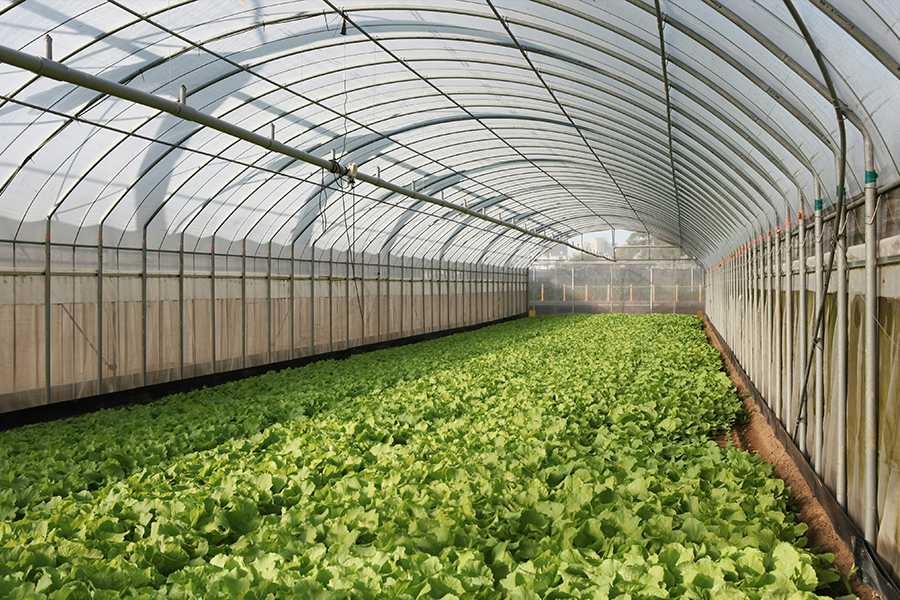
Common Challenges in Greenhouse Environmental Control
Author:Guiyuanhe Date:2025-08-28 21:50:25 Hits:80
Common Challenges in Greenhouse Environmental Control
1. Temperature Regulation
Overheating: Excessive solar radiation can cause temperatures to rise rapidly, stressing plants even with ventilation.
Heat Stratification: Hot air accumulates at the roof, creating a significant temperature gradient between the top and bottom of the crop canopy.
Cooling Inefficiency: During hot, humid weather, evaporative cooling systems (e.g., fan and pad) become less effective because the air cannot hold additional moisture.
Maintaining Night Temperature: Preventing excessive heat loss on clear, cold nights is challenging and can require significant energy for heating.
2. Humidity Management
Excessive Humidity (High RH): This is a very common problem, especially at night when temperatures drop. It creates a prime environment for fungal diseases (e.g., Botrytis, powdery mildew).
Condensation: When warm, moist air contacts cold surfaces (like the glazing or structure), water droplets form and drip onto plants, promoting disease spread.
Low Humidity: Can occur during winter when heaters are running constantly, leading to elevated VPD (Vapor Pressure Deficit) and plant stress/desiccation.
3. Ventilation and Air Circulation
Inadequate Airflow: Poorly designed ventilation or incorrectly spaced circulation fans can create "dead air" zones with stagnant air, leading to uneven temperature, humidity, and CO₂ levels.
Heat and Moisture Pockets: Without sufficient horizontal air movement, pockets of hot, humid air can develop within the plant canopy.
4. Light Management
Insufficient Light: This is a major limitation during winter months or in cloudy climates, limiting photosynthesis and crop growth.
Light Burn / Photo-inhibition: Sudden bursts of intense sunlight, especially after a cloudy period, can scorch leaves and stress plants.
Uneven Light Distribution: The structure of the greenhouse can create shadows, leading to uneven plant growth and development.
5. Integrated Control and System Interaction
Conflicting Goals: The need to vent for temperature control often conflicts with the goal of maintaining high humidity or conserving CO₂.
Energy Efficiency vs. Optimal Climate: Achieving perfect conditions often requires high energy consumption for heating, cooling, or dehumidification, creating a constant cost trade-off.
Precision and Uniformity: It is extremely difficult to maintain a perfectly uniform environment throughout the entire greenhouse due to physical factors like airflow patterns and distance from vents/heaters.
6. CO₂ Enrichment
Maintaining Levels: Enriching with CO₂ is ineffective if the greenhouse vents are frequently open for temperature control, as the added CO₂ simply escapes.
Cost: Generating (burning fuel) or purchasing CO₂ can be expensive, and the benefits are lost if not managed correctly.
7. Monitoring and Data Gaps
Inadequate Sensor Placement: If sensors are placed in incorrect or unrepresentative locations (e.g., in direct sunlight, away from the plant zone), the control system receives faulty data, leading to poor decisions.
Lack of Canopy-Level Data: The climate at the level of the leaves (canopy microclimate) is often different from the air temperature measured by a standard sensor, making precise control difficult.
-
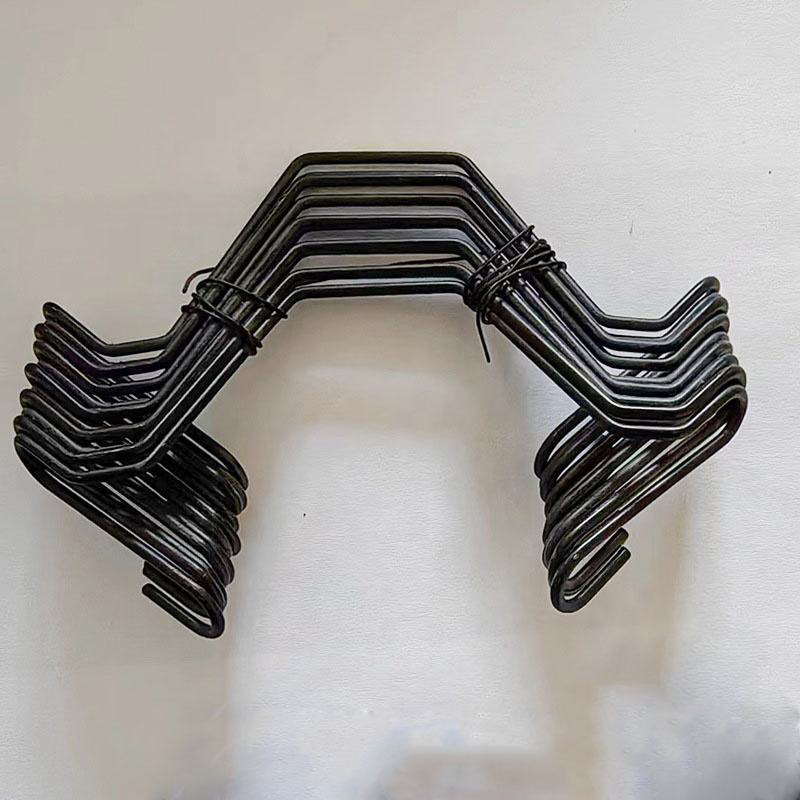
Greenhouse W - Spring Glazing Clips
-
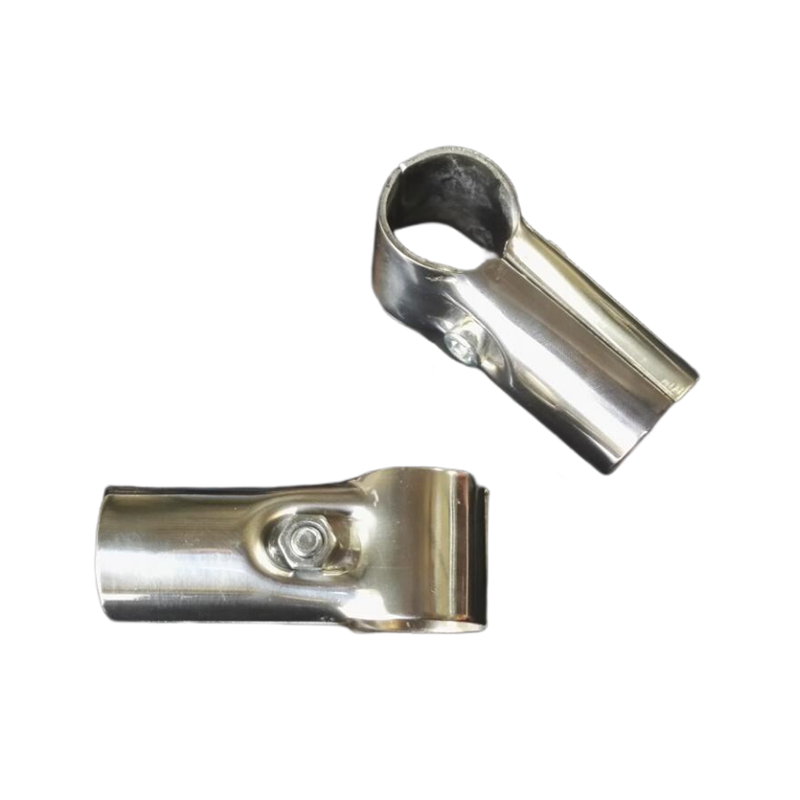
25mm Aluminum Round Tent Tube Key Clamp Connectors
-
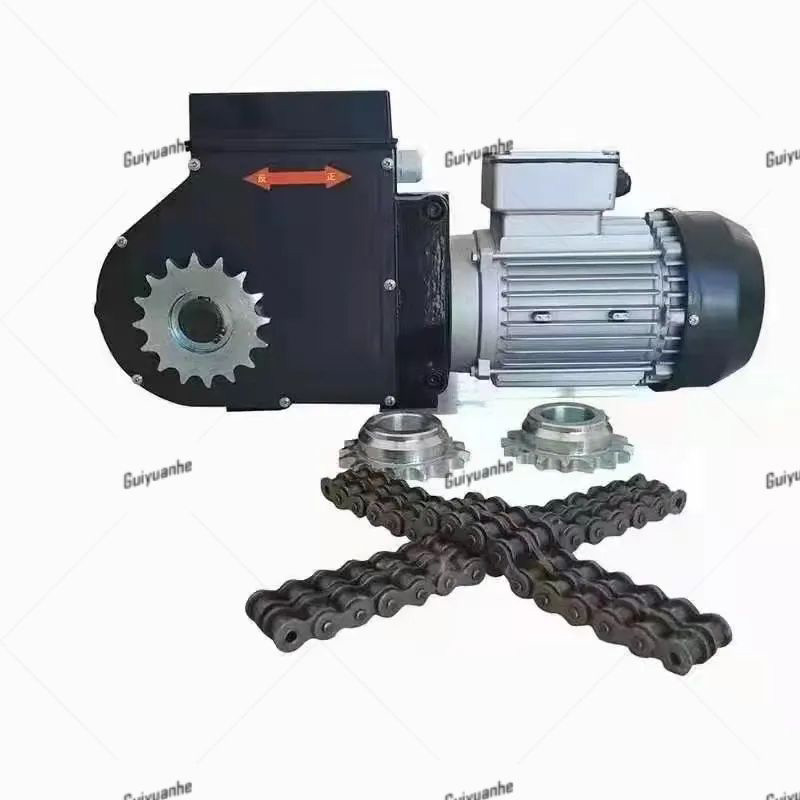
Greenhouse Window Electric Gear Motor
-
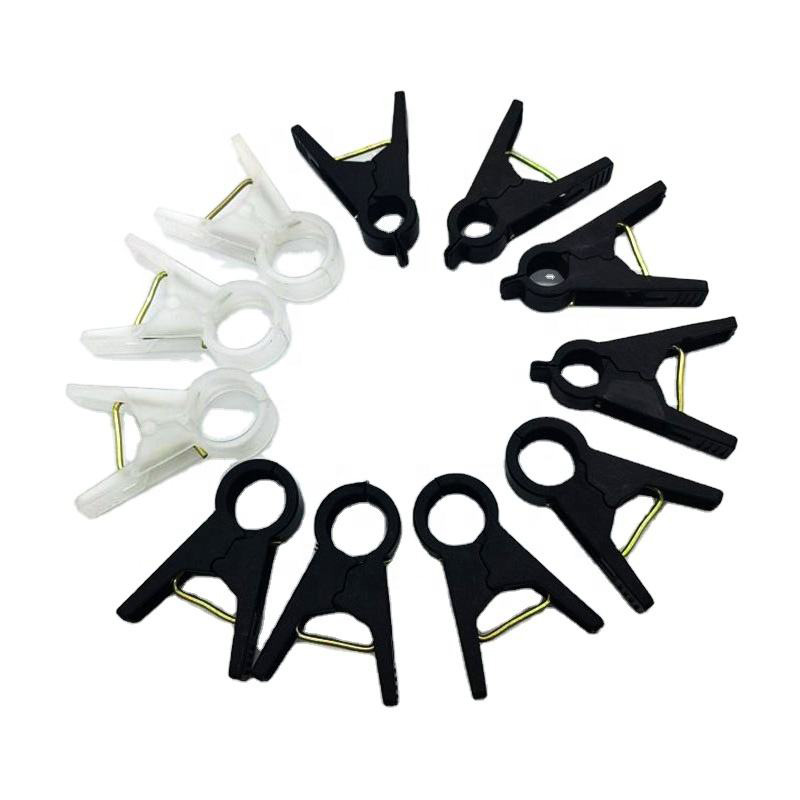
Garden Trellis Clips for Tomato, Cucumber & Pepper Vines
-
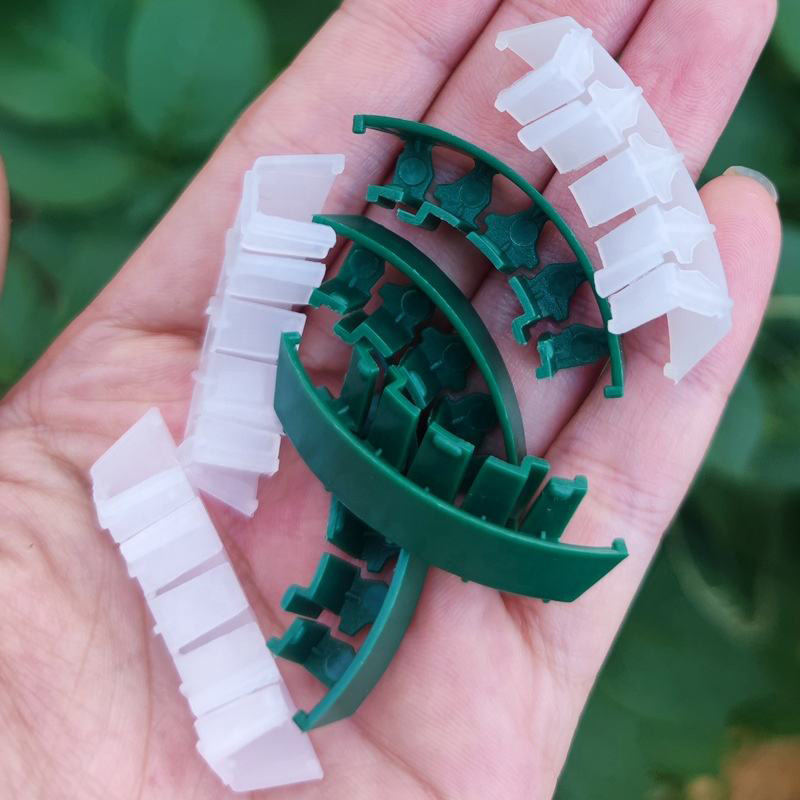
Greenhouse Tomato Clips (Plastic Grafting & Biodegradable Arch)
-
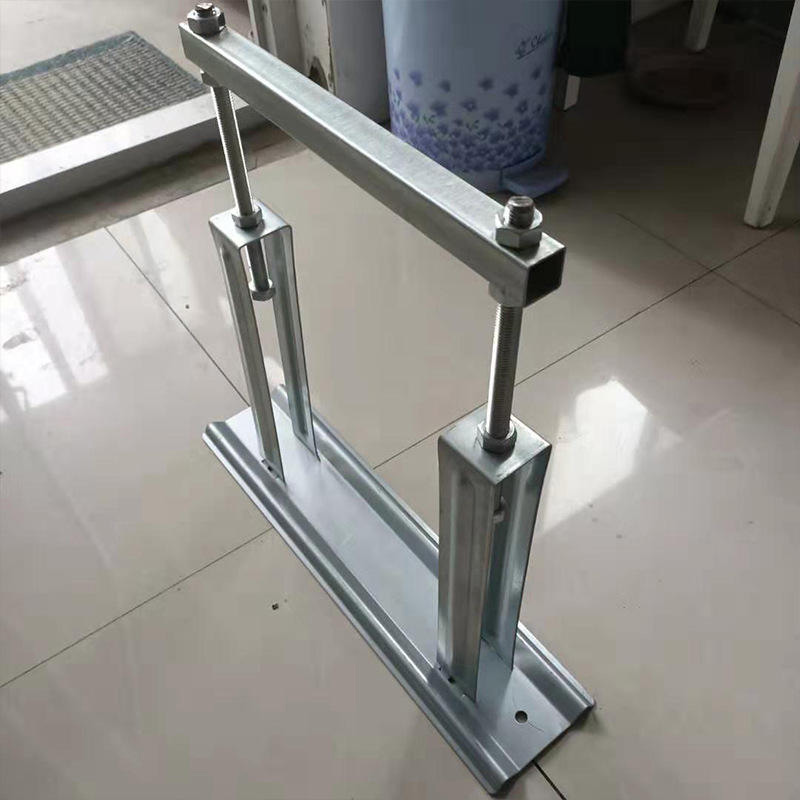
Agricultural Poly Tunnel Greenhouse Strawberry Gutter Support Brackets
-
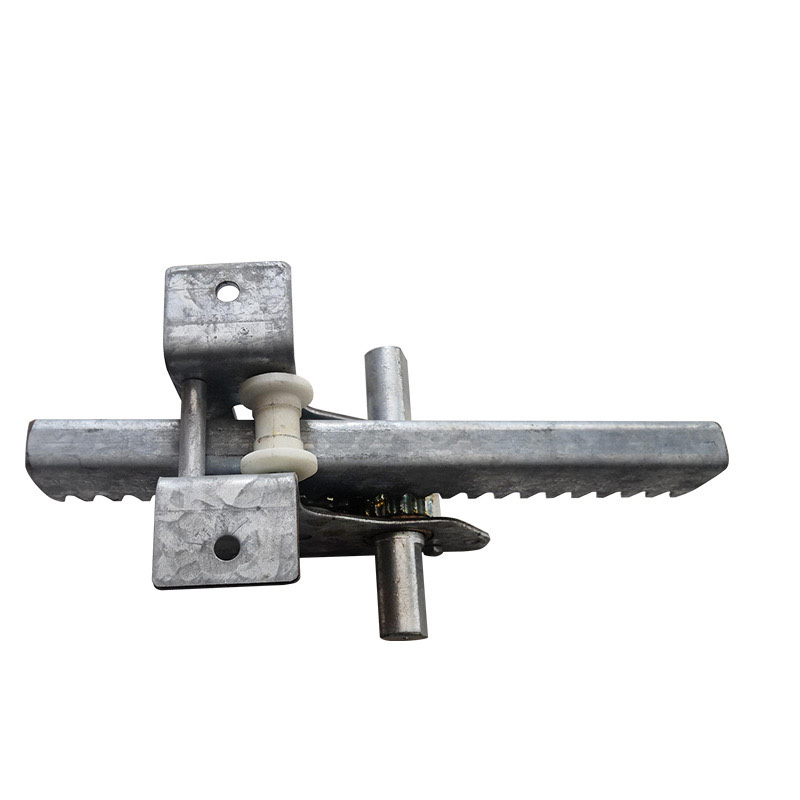
Greenhouse Ventilation Gear Rack & Pinion
-
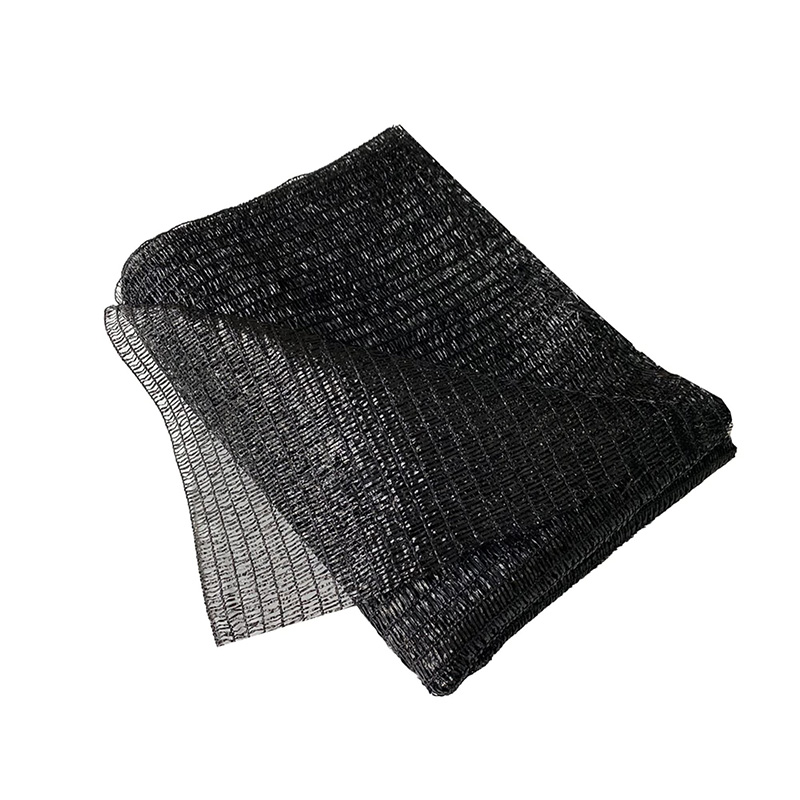
Greenhouse Agricultural Shade Net
Cangzhou Guiyuanhe Hardware Manufacturing Co., Ltd
Copyright © 2025-2026 http://www.guiyuanhe.com. All Rights Reserved Cangzhou Guiyuanhe Hardware Manufacturing Co., Ltd