

- Site Navigation -
 Current location:
NEWS
NEWS INFORMATION
Key Technical Points for Soilless Cultivation in Greenhouses
Author:Guiyuanhe Date:2025-08-28 21:49:46 Hits:158
1. System Selection
Hydroponics: Plant roots are suspended in a nutrient-rich water solution.
Deep Water Culture (DWC): Plants are held in floating rafts on an oxygenated nutrient solution.
Nutrient Film Technique (NFT): A thin film of nutrient solution continuously flows through enclosed gullies, past the roots.
Ebb and Flow (Flood and Drain): The growing tray is periodically flooded with nutrient solution and then drained.
Aeroponics: Roots are suspended in the air and misted with a nutrient solution at very short, frequent intervals.
Substrate Culture: Plants grow in inert, solid growing media that provide root support and hold moisture and nutrients.
Common Substrates: Rockwool, coconut coir, perlite, vermiculite, peat moss, or mixes thereof. Used in bags, slabs, or containers.
2. System Components and Setup
Growing Trays/Channels/Gullies: Hold the plants, substrate (if used), and nutrient solution.
Reservoir: Tank to hold the nutrient solution. Must be light-proof to prevent algae growth.
Pumps and Irrigation System: Submersible pump to deliver the solution, plus pipes, drippers, emitters, or spray nozzles.
Aeration System: Air pump and air stones (critical for DWC and reservoirs) to oxygenate the nutrient solution.
Support Structure: Systems to support plants (e.g., trellising nets for vines like tomatoes and cucumbers).
3. Nutrient Solution Management (The Most Critical Aspect)
Formulation: Use high-quality, water-soluble fertilizers specifically designed for soilless cultivation. They must contain all essential macro and micronutrients.
EC (Electrical Conductivity): Measures the total concentration of dissolved salts (nutrients) in the solution.
Must be monitored regularly with an EC meter.
Adjusted based on plant growth stage, crop type, and environmental conditions (e.g., higher light requires higher EC). Target EC ranges are crop-specific.
pH (Acidity/Alkalinity): Critically influences nutrient availability.
Must be monitored daily with a pH meter.
Ideal range for most crops is between 5.5 and 6.5.
Adjusted using pH Up (e.g., potassium hydroxide) or pH Down (e.g., phosphoric acid) solutions.
Temperature: Maintain solution temperature between 18°C and 24°C (64°F - 75°F). Too cold shocks plants, too warm reduces oxygen levels.
Oxygenation: Ensure adequate oxygen in the solution (via aeration) to prevent root rot and promote healthy growth.
Replacement: Completely replace the nutrient solution every 1-2 weeks to prevent nutrient imbalances and the buildup of harmful pathogens or root exudates.
4. Environmental Control
Temperature & Humidity: Precisely manage air temperature and relative humidity to optimize plant transpiration and nutrient uptake, and prevent diseases.
Lighting: Maximize natural sunlight. Supplement with artificial lighting (e.g., LED, HPS) if needed for year-round production or light-loving crops.
CO₂ Enrichment: Injecting CO₂ (e.g., to 1000-1500 ppm) during daylight hours can significantly boost photosynthesis and growth rates in sealed greenhouse environments.
5. Crop Management
Propagation: Start seeds in sterile, low-EC starter blocks (e.g., rockwool cubes, oasis cubes).
Transplantation: Move seedlings to the main system once roots emerge from the starter block.
Pollination: For fruiting crops (e.g., tomatoes, peppers), assist pollination using vibrators (electric pollinators), tapping support wires, or introducing bumblebee hives.
Pruning and Training: Regularly prune and train plants (e.g., to a single or double stem) to manage growth and maximize yield and light penetration.
IPM (Integrated Pest Management): Implement strict sanitation, use insect screening, introduce beneficial insects (biological control), and apply pesticides only as a last resort. The controlled environment is highly conducive to pest outbreaks.
6. Sanitation and Monitoring
Sterilization: Thoroughly clean and sterilize the entire system (lines, reservoir, trays) between crops using a disinfectant like hydrogen peroxide or bleach solution to prevent disease carryover.
Daily Monitoring: Religiously check and record pH, EC, solution temperature, and system operation (e.g., for clogged drippers) multiple times per day.
-
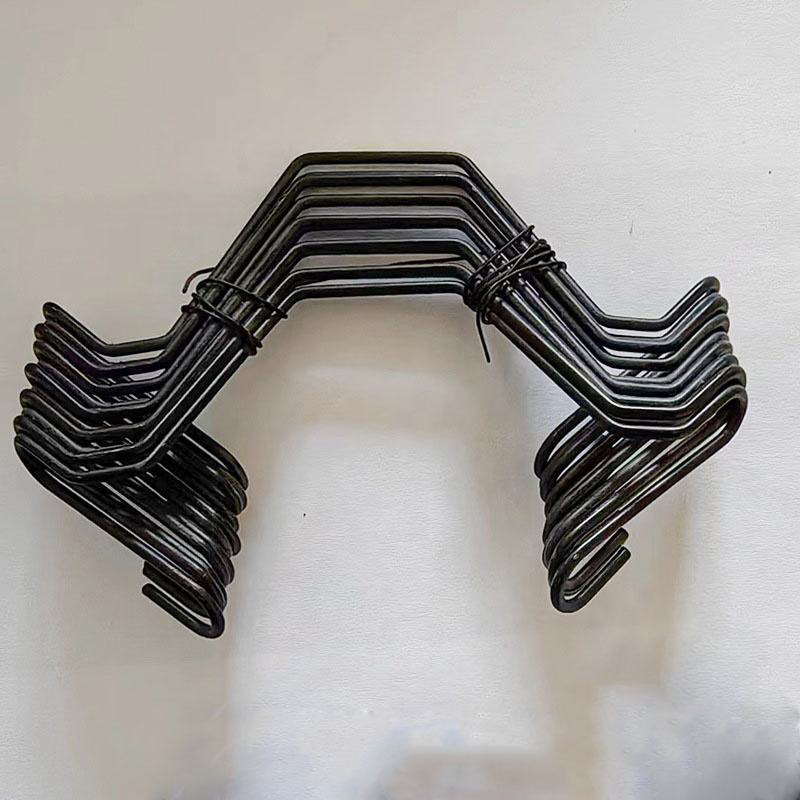
Greenhouse W - Spring Glazing Clips
-
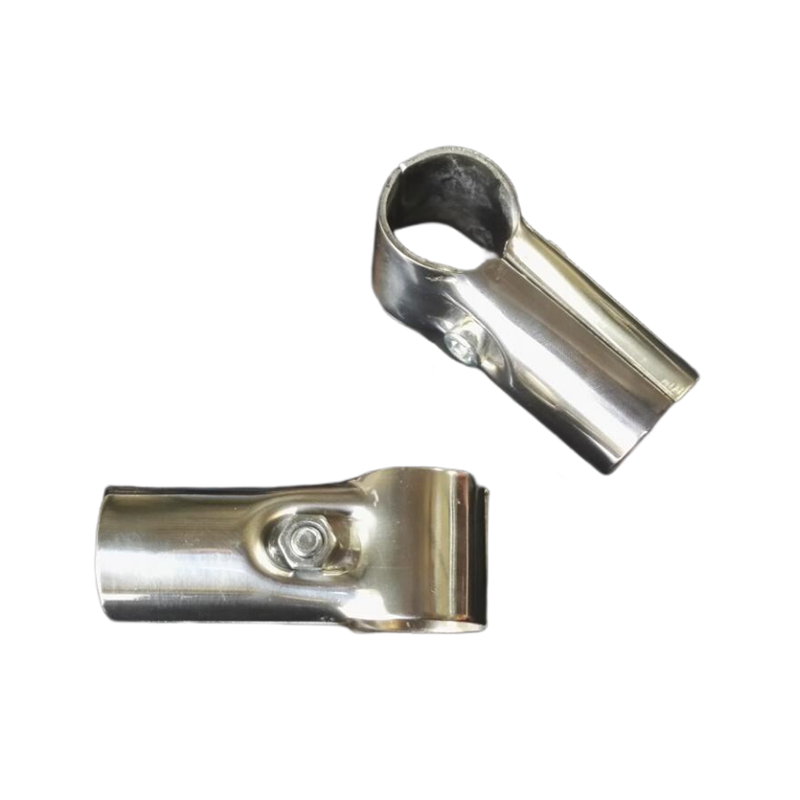
25mm Aluminum Round Tent Tube Key Clamp Connectors
-
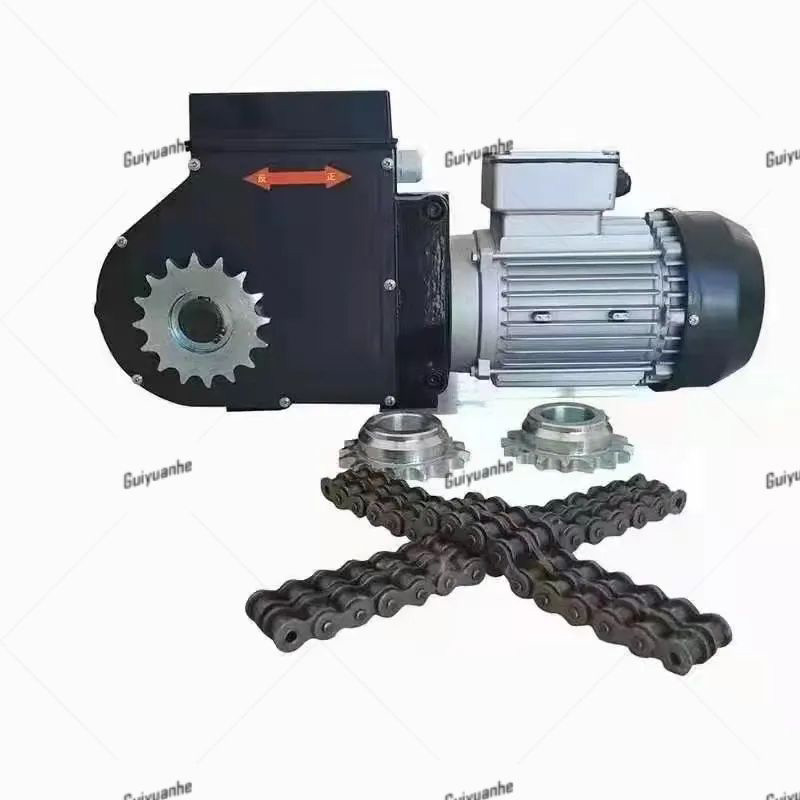
Greenhouse Window Electric Gear Motor
-
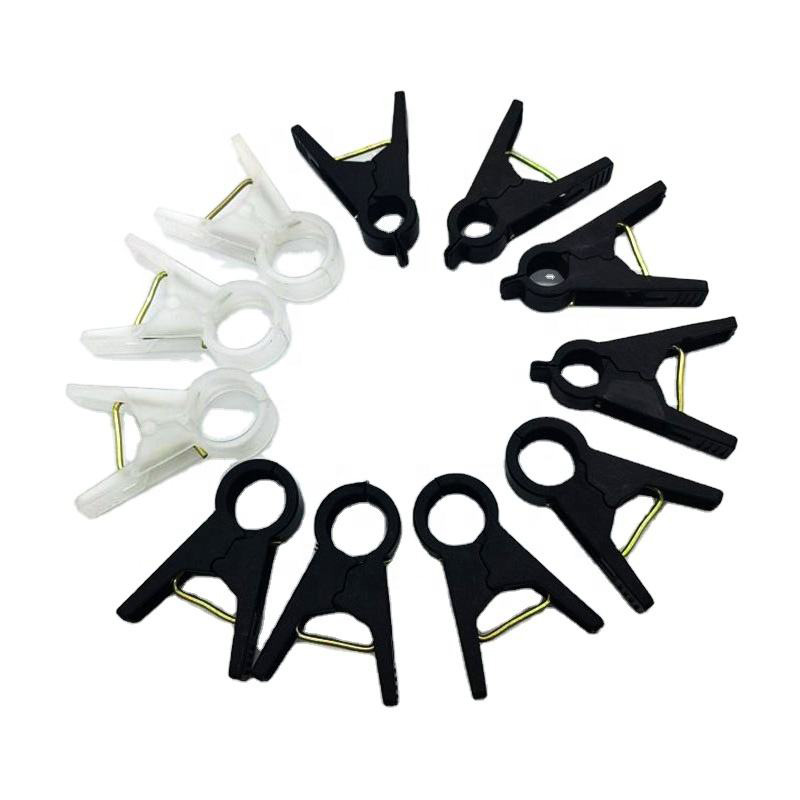
Garden Trellis Clips for Tomato, Cucumber & Pepper Vines
-
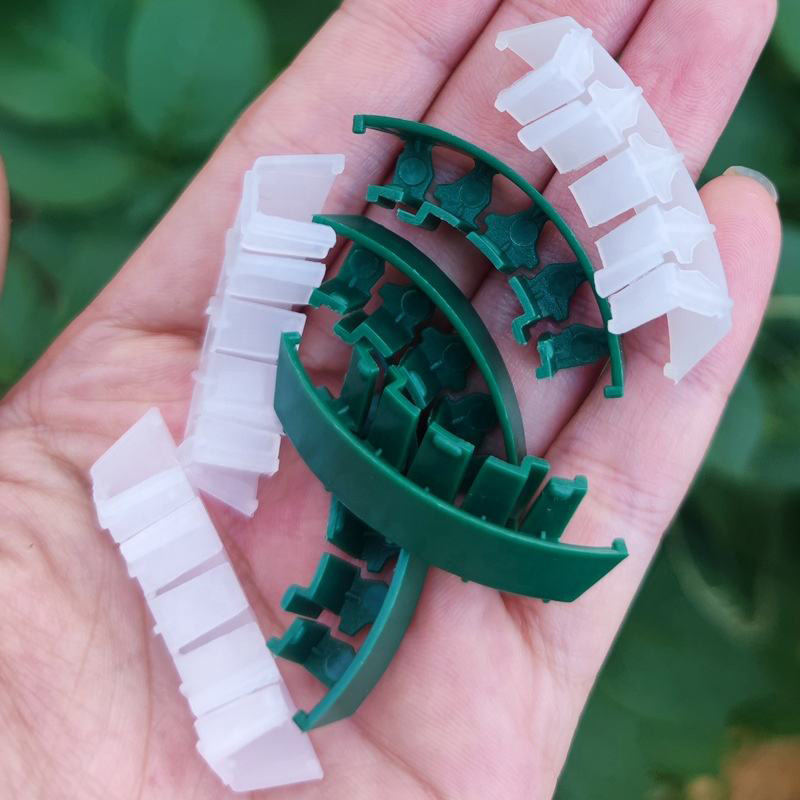
Greenhouse Tomato Clips (Plastic Grafting & Biodegradable Arch)
-
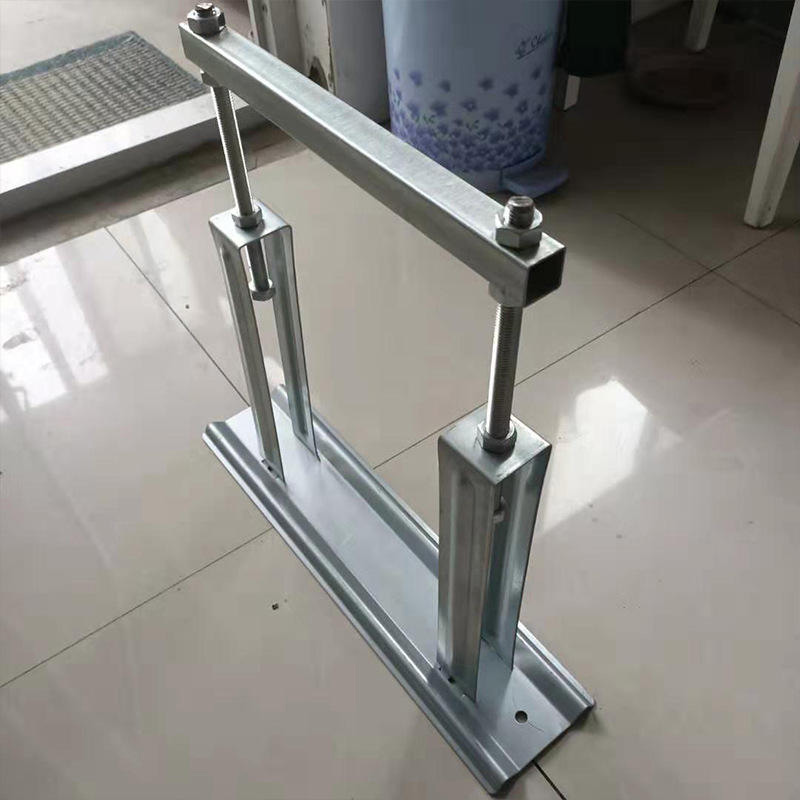
Agricultural Poly Tunnel Greenhouse Strawberry Gutter Support Brackets
-
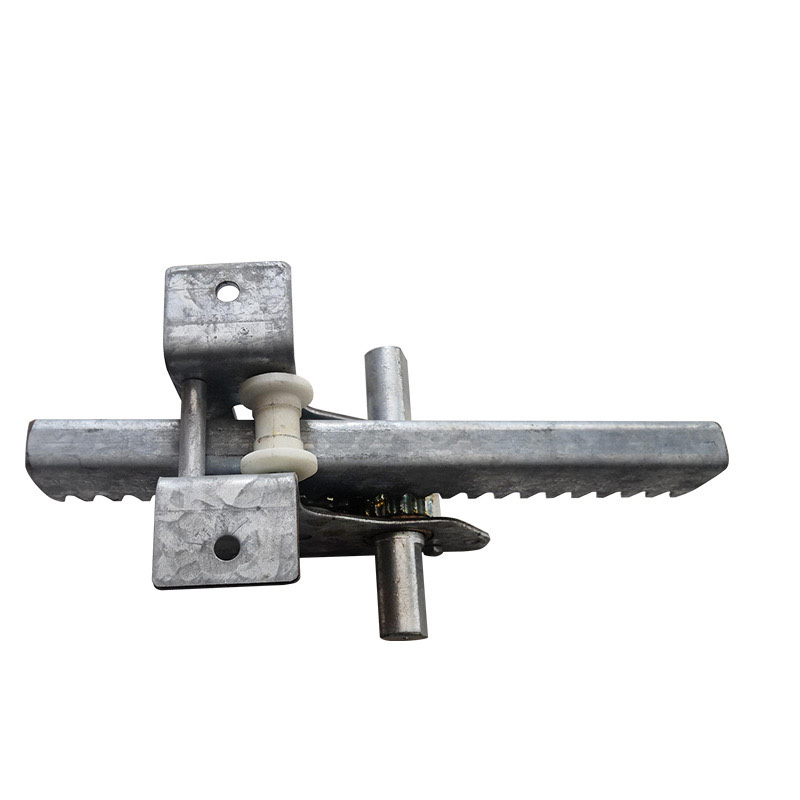
Greenhouse Ventilation Gear Rack & Pinion
-
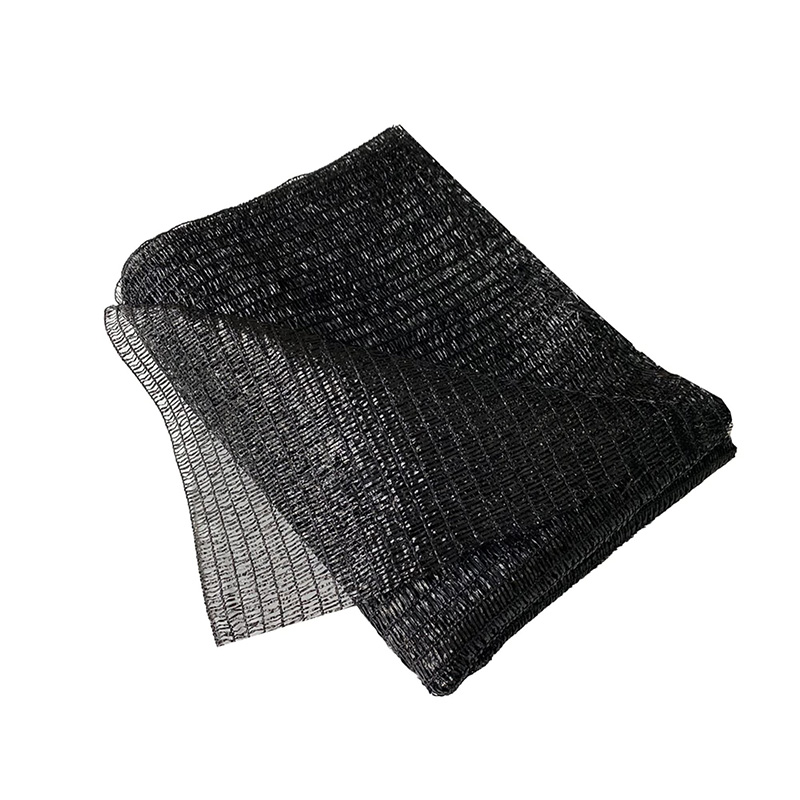
Greenhouse Agricultural Shade Net
Cangzhou Guiyuanhe Hardware Manufacturing Co., Ltd
Copyright © 2025-2026 http://www.guiyuanhe.com. All Rights Reserved Cangzhou Guiyuanhe Hardware Manufacturing Co., Ltd