

- Site Navigation -
 Current location:
NEWS
NEWS INFORMATION
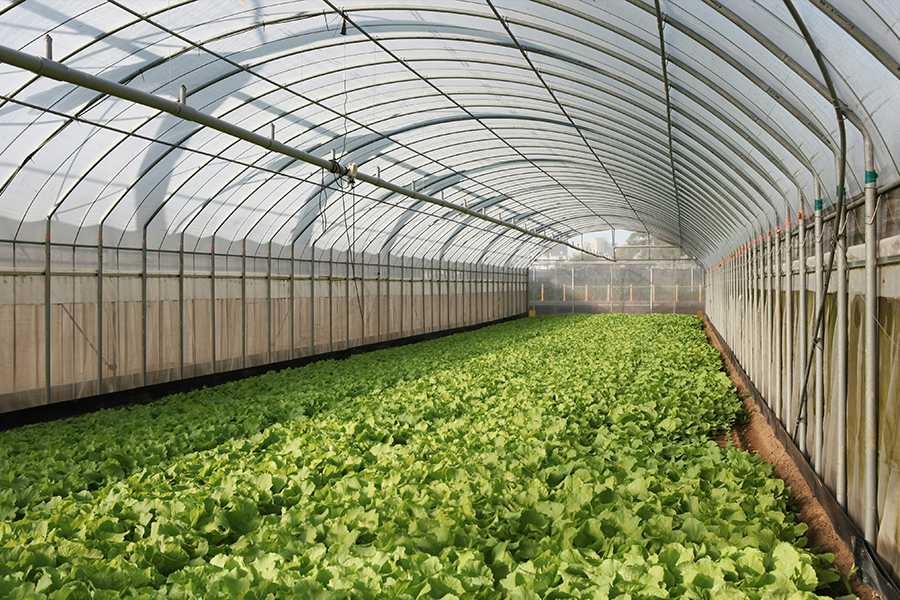
Complete Technical Guide to Greenhouse Construction Process
Author:Guiyuanhe Date:2025-08-28 21:46:05 Hits:119
1. Planning and Design
Site Selection: Choose a location with maximum sunlight exposure, good drainage, wind protection, and easy access to utilities (water, electricity).
Determine Purpose: Define the primary use (e.g., growing vegetables, flowers, nursery plants, research) as it influences size, type, and internal systems.
Type of Greenhouse: Select the structure type (e.g., Gable, Quonset / Hoop, Gothic Arch, Sawtooth) and covering material (e.g., Polyethylene Film, Polycarbonate, Glass).
Design & Layout: Create detailed architectural and engineering plans, including dimensions, structural framing, ventilation (roof vents, side vents), cooling systems (fans, evaporative pads), heating systems, irrigation systems, and benching/layout.
Budgeting and Permits: Establish a budget covering materials, labor, and systems. Check local building codes and obtain necessary permits.
2. Foundation and Flooring
Foundation Type: Choose between a perimeter foundation (concrete piers or continuous footing) or a ground-post foundation, depending on the structure's size and local climate (e.g., wind, frost).
Construction: Excavate and pour concrete footings or install ground posts securely. Ensure the foundation is perfectly level and square.
Flooring: Prepare the flooring. Options include compacted soil, gravel (for drainage), concrete slabs, or landscape fabric covered with gravel.
3. Frame Construction
Assembly: Erect the main structural framework (typically galvanized steel, aluminum, or wood) according to the manufacturer's instructions or engineering plans.
Securing: Bolt or screw frame components together securely. Anchor the entire structure firmly to the foundation to resist wind uplift.
Installation of Components: Attach components for doors, ventilation systems, and cooling/heating equipment to the frame during assembly.
4. Glazing / Covering Installation
Preparation: Ensure the frame is clean and smooth to avoid damaging the covering material.
Installation:
Polyethylene Film: Unroll the film over the frame. Secure it tightly using batten tape and wiggle wire channels, baseboards, or appropriate fasteners. Use a double layer with an air inflator for better insulation.
Polycarbonate/Glass: Carefully install sheets/panels using specific glazing bars, seals, and clips. Ensure proper sealing to prevent leaks and maximize insulation. Follow safety protocols for handling glass.
5. Installation of Systems
Ventilation System: Install exhaust fans (typically on the leeward side) and intake shutters or louvers (on the windward side). Ensure proper sizing for adequate air exchange.
Cooling System: If needed, install evaporative cooling pads on the intake side, connected to a water recirculation system.
Heating System: Install heaters (e.g., unit heaters, radiant heating) and thermostats. Ensure proper ventilation for combustion if using gas heaters.
Irrigation System: Install the chosen system (e.g., drip irrigation, soaker hoses, misting system), including pipes, valves, filters, and emitters. Connect to a water source.
Environmental Controls: Install sensors (temperature, humidity, light) and connect them to an automated environmental control system to manage vents, fans, heaters, and irrigation.
Shading System: Install interior or exterior shade curtains (manual or motorized) if required for light and temperature control.
Electrical and Plumbing: Run necessary electrical wiring (for lights, pumps, controls) and plumbing lines (for irrigation, sinks), ensuring all work meets local code standards.
6. Benching and Layout
Install Benching: Set up growing benches, tables, or rolling beds according to the interior layout plan. Common materials include galvanized steel, aluminum, or plastic.
Layout Pathways: Define and cover pathways for easy access and workflow.
7. Testing and Commissioning
System Checks: Test all systems thoroughly - ventilation, cooling, heating, irrigation, and controls. Calibrate sensors and thermostats.
Leak Check: Inspect the covering for any tears or gaps and check the irrigation system for leaks. Seal or repair as necessary.
Trial Run: Run the systems through various scenarios to ensure they respond correctly to the control settings.
8. Preparation for Planting
Sanitization: Clean and disinfect the entire interior, including benching and tools, to eliminate pests and diseases.
Soil/Potting Mix Preparation: If growing in soil, prepare the ground beds. For container growing, prepare and fill containers with appropriate potting media.
Acclimatization: Before introducing plants, run the greenhouse systems for a few days to stabilize the environment (temperature, humidity).
Important Considerations:
Local Climate: Design choices must account for local weather conditions (snow load, wind speed, summer temperatures).
Professional Help: Consult structural engineers for large projects and licensed professionals for electrical/plumbing work.
Supplier Support: Choose reputable suppliers and carefully follow their specific installation guidelines, especially for the structure and glazing.
-
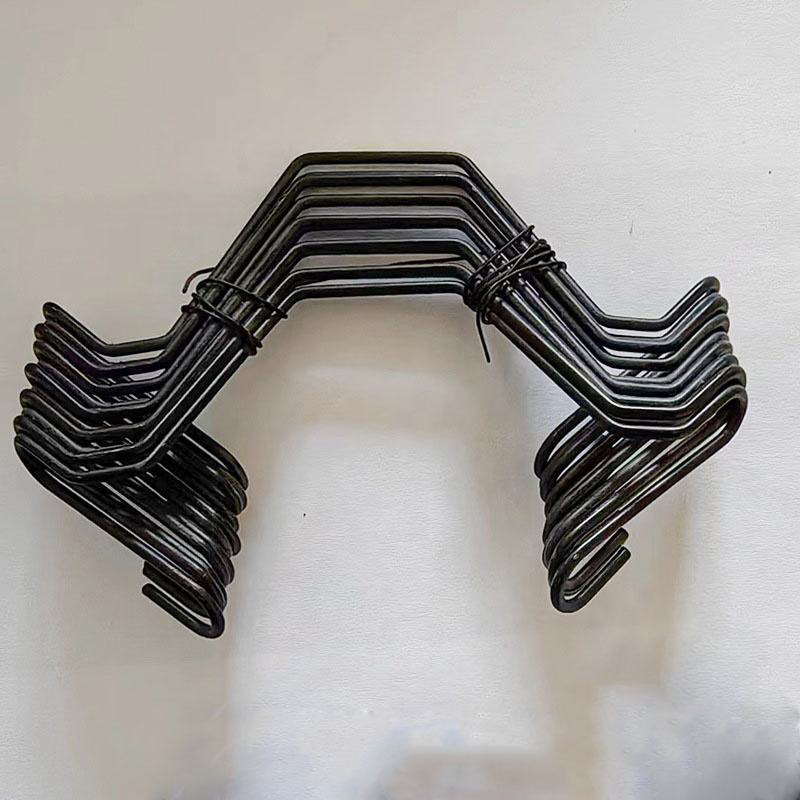
Greenhouse W - Spring Glazing Clips
-
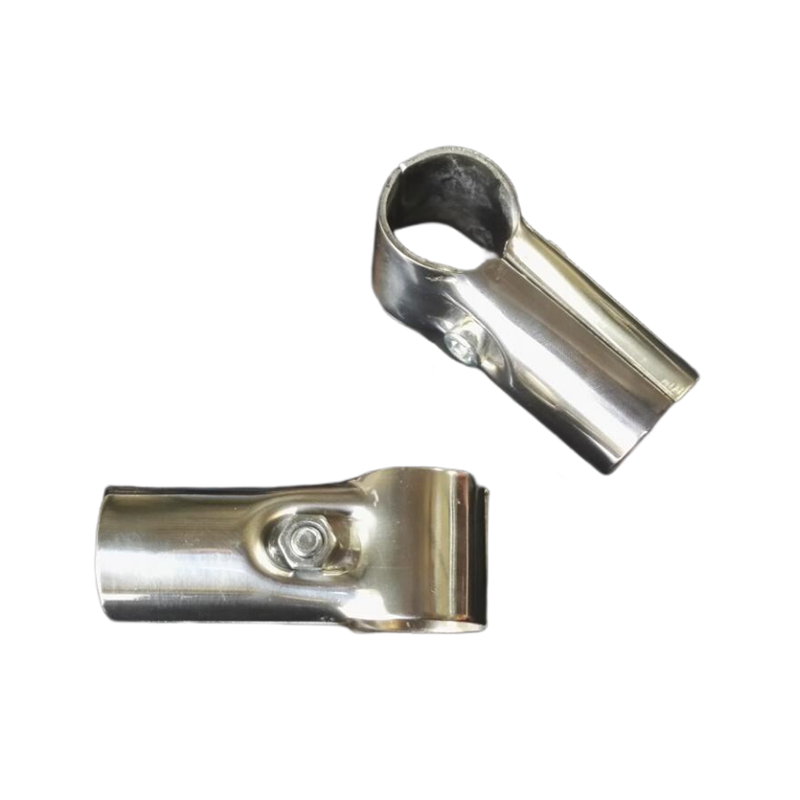
25mm Aluminum Round Tent Tube Key Clamp Connectors
-
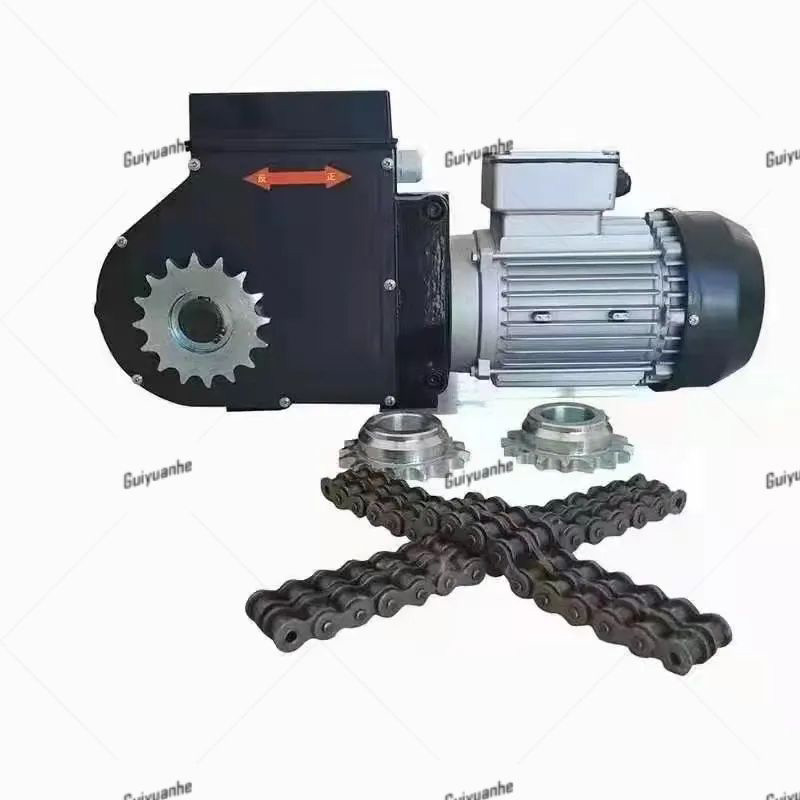
Greenhouse Window Electric Gear Motor
-
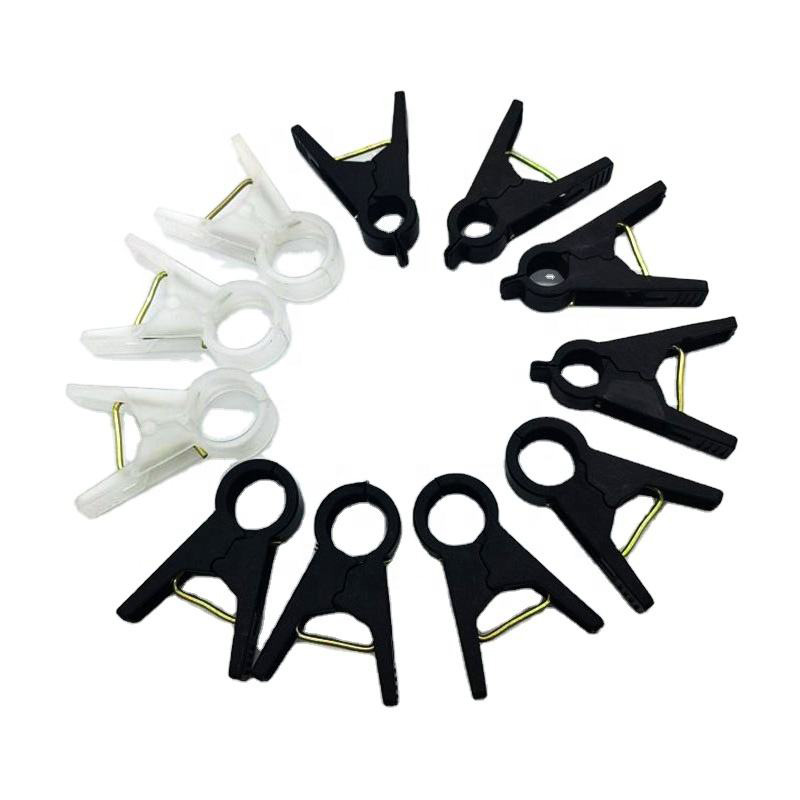
Garden Trellis Clips for Tomato, Cucumber & Pepper Vines
-
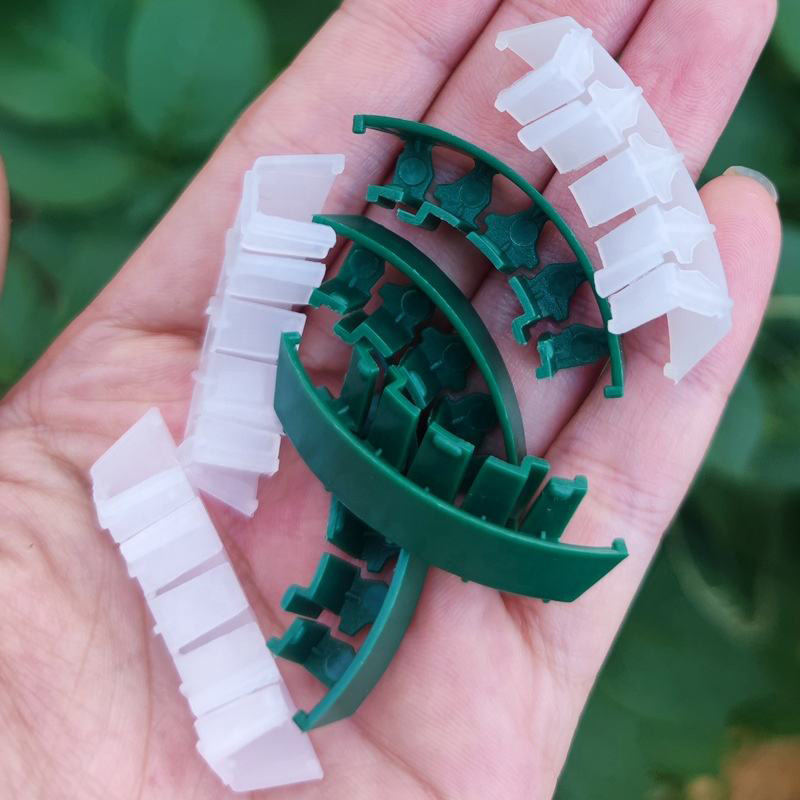
Greenhouse Tomato Clips (Plastic Grafting & Biodegradable Arch)
-
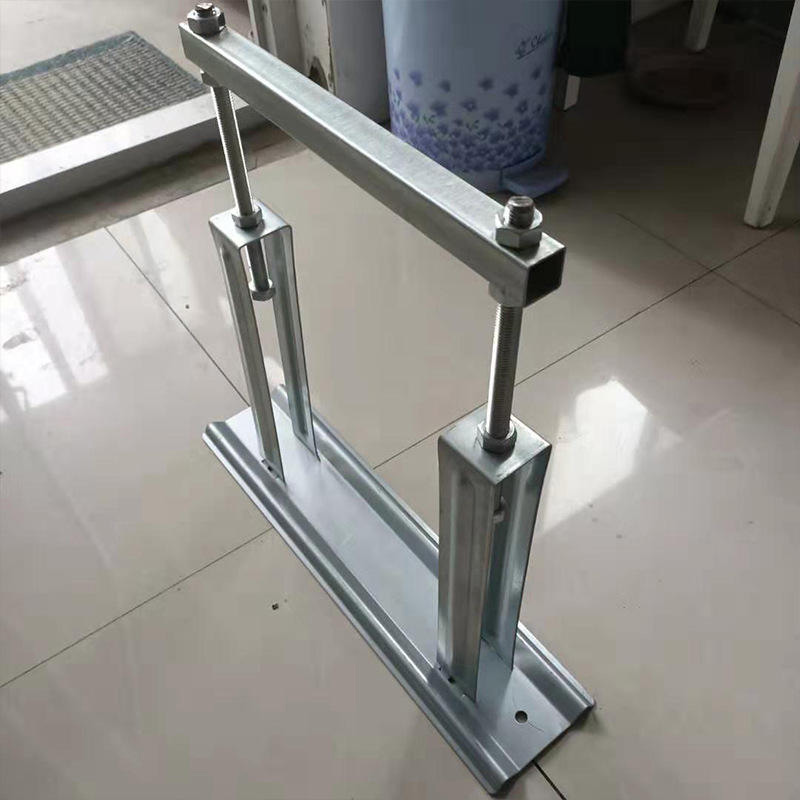
Agricultural Poly Tunnel Greenhouse Strawberry Gutter Support Brackets
-
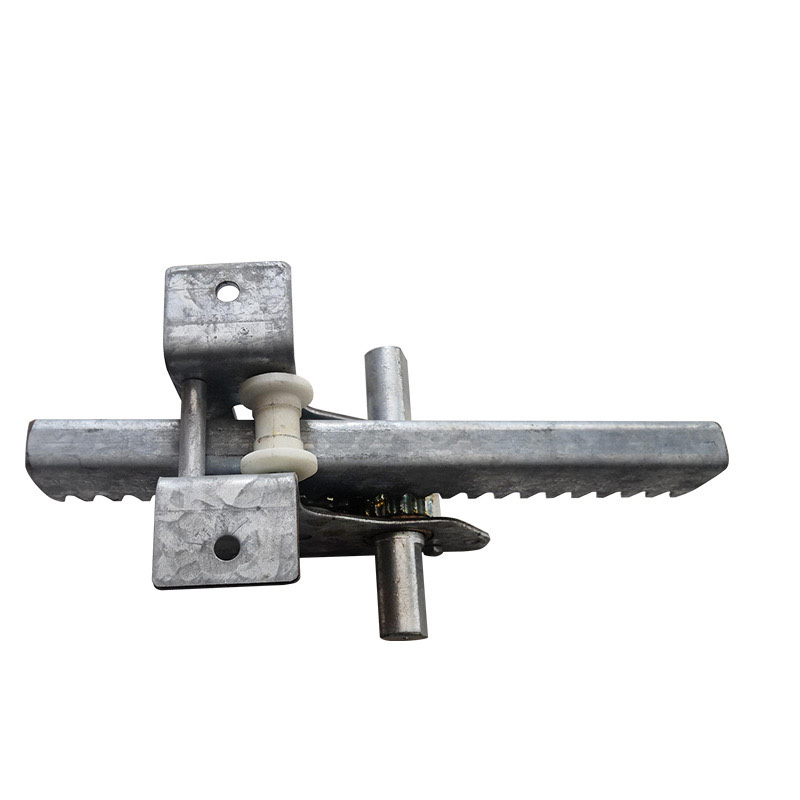
Greenhouse Ventilation Gear Rack & Pinion
-

Greenhouse Agricultural Shade Net
Cangzhou Guiyuanhe Hardware Manufacturing Co., Ltd
Copyright © 2025-2026 http://www.guiyuanhe.com. All Rights Reserved Cangzhou Guiyuanhe Hardware Manufacturing Co., Ltd